August 26, 2021: Li Receives PCORI Award to Study Methods for Cluster Randomized Trials

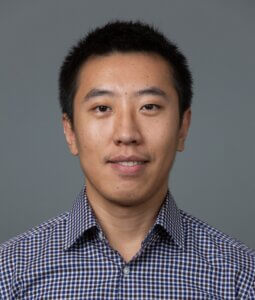
Headshot of Dr. Fan Li
Dr. Fan Li

Dr. Fan Li, a longtime member of the NIH Collaboratory’s Biostatistics and Study Design Core, has received approval for a $1 million grant award from the Patient-Centered Outcomes Research Institute (PCORI) to develop methods and software for designing cluster randomized trials. Li is an assistant professor of biostatistics in the Yale School of Public Health.

The study, entitled “New Methods for Planning Cluster Randomized Trials to Detect Treatment Effect Heterogeneity,” will contribute new methods, guidance, and user-friendly software for planning parallel and stepped-wedge cluster randomized trials to enable confirmatory “heterogeneity of treatment effect” (HTE) analyses with sufficient statistical power.

HTE occurs when there is systematic variation in treatment effect across predefined patient or provider subgroups that can arise due to diverse practices, varying responses to treatment, or differing vulnerability to certain diseases, among other reasons. While understanding of HTE has been a recognized goal in individually randomized trials, methods for planning cluster randomized trials with HTE analyses are limited. This PCORI-funded study will expand the current cluster randomized design toolbox to accommodate confirmatory HTE analysis and meet a growing interest in better understanding how patient- and provider-level characteristics moderate the impact of new care innovations in pragmatic trials.

The award has been approved pending completion of a business and programmatic review by PCORI staff and issuance of a formal award contract.

Joining Li on the research team are coinvestigators Dr. Patrick Heagerty of the University of Washington, Dr. Rui Wang of Harvard Medical School and the Harvard Pilgrim Health Care Institute, and Dr. Denise Esserman of the Yale School of Public Health. Heagerty and Wang are members of the NIH Collaboratory’s Biostatistics and Study Design Core. The team will work closely with other NIH Collaboratory colleagues and stakeholders, including Dr. Adrian Hernandez of Duke University, Dr. Jerry Jarvik of the University of Washington, and Dr. Richard Platt of Harvard Medical School and the Harvard Pilgrim Health Care Institute.

Podcast August 2, 2021: Diversity Workshop Series: Increasing Diversity in Pragmatic Clinical Trials (Dr. Boineau, Dr. Chambers, Dr. Curtis, Dr. O’Brien, Dr. Weber, Dr. Zimmerman)

This podcast summarizes the series on ‘Inclusion of Diverse Participants in Pragmatic Clinical Trials’ with a panel discussion with Dr. Robin Boineau, Dr. David Chambers, Dr. Lesley Curtis, Dr. Emily O’Brien, Dr. Wendy Weber, and Dr. Kanecia Zimmerman.

Click on the recording below to listen to the podcast.

Want to hear more? View the full Diversity workshop series Grand Rounds presentation from

May 14, 2021;  June 4, 2021; June 25, 2021; July 16, 2021; and July 30, 2021.

For alerts about new episodes, subscribe free on Apple Podcasts or SoundCloud.

Read the transcript.

July 30, 2021: Inclusion of Diverse Participants in Pragmatic Clinical Trials: Diversity in the PCT Ecosystem – How Do We Develop a Pipeline of Diverse Investigators and Leaders in PCTs? (Lesley Curtis, PhD; Marie A. Bernard, MD; George A. Mensah, MD, FACC; Natalia Morone, MD, MS)

Speakers

Panelists:

Marie A. Bernard, MD
Acting NIH Chief Officer for Scientific Workforce Diversity
Deputy Director, National Institute on Aging
National Institutes of Health

George A. Mensah, M.D., FACC
Director, Center for Translation Research and Implementation Science
National Heart, Lung, and Blood Institute (NHLBI)
Office of the Director, National Institutes of Health (NIH)

Natalia Morone, MD, MS
Associate Professor
Boston University School of Medicine
Department of Medicine
General Internal Medicine

Guest Moderator:

Lesley Curtis, PhD
Professor in Population Health Sciences
Department of Population Health Sciences
Duke University School of Medicine

Topic

Inclusion of Diverse Participants in Pragmatic Clinical Trials: Diversity in the PCT Ecosystem – How Do We Develop a Pipeline of Diverse Investigators and Leaders in PCTs?

Keywords

Diverse research faculty; NIH UNITE; CEED; Health equity; Structural racism; Inclusion

Key Points

  • The NIH UNITE initiative was founded to address and correct structural racism in biomedical research both within NIH policies and practices and in research communities outside NIH.
  • The NIH will focus on health equity by providing multiple funding opportunities that address structural racism and its effects on minority health disparity.
  • The NIH will consider the diversity of the research team when deciding grant scoring, and fund the FIRST initiative which will transform the research community to create a culture of inclusion.
  • Creating and sustaining diverse researchers and research teams is critical to supporting and encouraging diversity and inclusion in pragmatic clinical trials.
  • CEED: Career Education and Enhancement for Health Care Research Diversity seeks to foster a more diverse environment by giving under represented post docs and early career faculty, mentorship and networking opportunities.

Discussion Themes

The CEED program has made a significant impact for its participants in the number of papers published and likelihood to hold an assistant professor position.

Primary care providers and community health workers are valuable to clinical research, and funding opportunities need to be provided to these groups performing important work.

Networks should be created for early career underrepresented groups in order to develop the next generation of Pragmatic Clinical Trial scientists.

Read more about developing diversity research teams at NIH UNITE, FIRST, and CEED.

Tags

#pctGR, @Collaboratory1

July 27, 2021: Diversity Workshop Continues With Diversifying the Pipeline of PCT Investigators and Leaders

The NIH Collaboratory is using its popular ePCT Grand Rounds platform for a special webinar series on diversity in pragmatic clinical trials.

In this Friday’s session—“Diversity in the PCT Ecosystem – How Do We Develop a Pipeline of Diverse Investigators and Leaders in PCTs?”—Dr. Lesley Curtis, co–principal investigator of the NIH Collaboratory Coordinating Center, will host a panel of investigators for a discussion about strategies for developing a diverse pipeline of researchers and leaders in the field of pragmatic clinical research.

The panelists will include:

  • Dr. Marie Bernard, deputy director of the National Institute on Aging and acting NIH chief officer for scientific workforce diversity
  • Dr. George Mensah of the Center for Translation Research and Implementation Science at the National Heart, Lung, and Blood Institute
  • Dr. Natalia Morone of Boston University, principal investigator of OPTIMUM, an NIH Collaboratory Trial

The Grand Rounds session will be held on Friday, July 30, at 1:00 pm eastern. Join the online meeting.

The complete diversity workshop series includes:

All sessions are free and open to the public; no registration is required. Recordings will be archived on the Grand Rounds website.


Headshots of Lesley Curtis, Marie Bernard, George Mensah, and Natalia Morone
Left to right: Dr. Lesley Curtis, Dr. Marie Bernard, Dr. George Mensah, and Dr. Natalia Morone

July 13, 2021: Diversity Workshop Continues With Lessons From Implementation Trials

The NIH Collaboratory is using its popular ePCT Grand Rounds platform for a special webinar series on diversity in pragmatic clinical trials.

In this Friday’s session—“Maximizing Diversity in PCTs – What Can We Learn From Implementation Trials?”—Dr. David Chambers of the National Cancer Institute (NCI) will facilitate a discussion about lessons from implementation science for maximizing participant diversity in pragmatic clinical trials. Dr. Chambers is deputy director for implementation science in the Office of the Director in the NCI’s Division of Cancer Control and Population Sciences.

The panelists will include:

  • Dr. Amanda Midboe of the US Department of Veterans Affairs, chair of the Implementation Science Work Group for the NIH-DOD-VA Pain Management Collaboratory
  • Dr. Anne Trontell, associate director in the Clinical Effectiveness and Decision Science Program at the Patient-Centered Outcomes Research Institute (PCORI)

The Grand Rounds session will be held on Friday, July 16, at 1:00 pm eastern. Join the online meeting.

Other upcoming sessions in the diversity workshop series include:

All sessions are free and open to the public; no registration is required. Recordings will be archived on the Grand Rounds website.

Headshots of Drs. David Chambers, Amanda Midboe, and Anne Trontell
Left to right: Drs. David Chambers, Amanda Midboe, and Anne Trontell

June 25, 2021: Inclusion of Diverse Participants in Pragmatic Clinical Trials: Meeting Participants Where They Are – Outreach, Trust, and Consent to Maximize Diversity (Emily O’Brien, PhD; Jonathan Jackson, PhD; Judith Schlaeger, PhD; Stacy Sterling, DrPH)

Speakers

Panelists:

NIA IMPACT Collaboratory
Jonathan Jackson, PhD
Executive Director
Community Access, Recruitment, and Engagement (CARE) Research Center
Massachusetts General Hospital and Harvard Medical School

GRACE
Judith Schlaeger, PhD, CNM, LAc, FAAN
Associate Professor, Department of Human Development Nursing Science
University of Illinois Chicago

GGC4H
Stacy Sterling, DrPH, MSW, MPH
Research Scientist
Kaiser Permanente Division of Research, Northern California

Guest Moderator:

Emily O’Brien, PhD
Associate Professor, Department of Population Health Sciences
Duke Clinical Research Institute
Duke University School of Medicine

Topic

Inclusion of Diverse Participants in Pragmatic Clinical Trials: Meeting Participants Where They Are – Outreach, Trust, and Consent to Maximize Diversity

Keywords

Participant diversity; Health equity; Outreach strategies; GRACE; Guiding Good Choices for Health (GGC4H); NIA IMPACT Collaboratory; Implementation science

Key Points

  • Health equity is a matter of scientific integrity. Health equity must be front and center when trials are designed and implemented because, without it, access may be undermined and effectiveness could be misrepresented.
  • Study enrollment bias occurs at every level of selection, beyond the participant level. “Healthy worker bias” can occur at the level of the healthcare system too.
  • Health equity is a crucial and unique aspect of embedded PCTs (ePCTs). While the PRECIS-2 (Pragmatic-Explanatory Continuum Indicator Summary) domains show how pragmatic a trial design is, the tool does not identify biases in the design. For research that is truly effective and generalizable, it is vital to implement PRECIS-2 through an equity lens.
  • Among the many practices that can maximize diversity in trial enrollment:
    • Tailored, personalized outreach and community connections
    • Bilingual, bicultural staff
    • Balancing fidelity with feasibility and relatability
    • Cultural and linguistic adaptation
    • Flexible scheduling
  • Incorporating a community-based participatory research model in the design of the study can assist in addressing barriers and build trust.

Discussion Themes

Concerns about racism and bias can affect the emotions and behaviors of study participants. Can these topics be incorporated into the curriculum?

What role do broad stakeholder organizations, such as funders and insurance providers, have in advancing outreach and building trust?

Implementation science offers ways to think about the complex aspects of an intervention that may not be captured in the protocol.

Read more about the GRACE and GGC4H NIH Collaboratory Trials, and visit the NIA IMPACT Collaboratory.

Tags

#pctGR, @Collaboratory1

June 22, 2021: Diversity Workshop Continues With Meeting Participants Where They Are

The NIH Collaboratory is using its popular ePCT Grand Rounds platform for a special webinar series on diversity in pragmatic clinical trials.

In this Friday’s session—“Meeting Participants Where They Are – Outreach, Trust, and Consent to Maximize Diversity”—Dr. Wendy Weber of the National Center for Complementary and Integrative Health will host a panel of investigators for a discussion about strategies for maximizing participant diversity in pragmatic clinical trials by improving outreach and building trust.

The panel will include:

  • Dr. Jonathan Jackson, executive director of the Community Access, Recruitment, and Engagement (CARE) Research Center at Massachusetts General Hospital and Harvard Medical School
  • Dr. Judith Schlaeger of the University of Illinois at Chicago, co–principal investigator of GRACE, an NIH Collaboratory Demonstration Project
  • Dr. Stacy Sterling of the Kaiser Permanente Division of Research, Northern California, co–principal investigator of GGC4H, an NIH Collaboratory Demonstration Project

The Grand Rounds session will be held on Friday, June 25, at 1:00 pm eastern. Join the online meeting.

Other upcoming sessions in the diversity workshop series include:

All sessions are free and open to the public; no registration is required. Recordings will be archived on the Grand Rounds website.

Headshots of Emily O'Brien, Jonathan Jackson, Judith Schlaeger, and Stacy Sterling
Left to right: Drs. Emily O’Brien, Jonathan Jackson, Judith Schlaeger, and Stacy Sterling

June 4, 2021: Inclusion of Diverse Participants in Pragmatic Clinical Trials: Planning for Diversity – Stakeholder Engagement and Site Selection to Maximize Diversity (Wendy Weber, ND, PhD, MPH; Julie Fritz, PhD, PT; David Wetter, PhD, MS; Gloria Coronado, PhD; Amanda Petrik, MS)

Speakers

Panelists:

BeatPain Utah  
Julie Fritz, PhD, PT
Associate Dean for Research, College of Health
Adjunct Professor, Orthopaedic Surgery
Distinguished Professor, Physical Therapy & Athletic Training
Adjunct Professor, Orthopaedic Surgery Operations
University of Utah  

David Wetter, PhD, MS
Professor, Population Health Sciences
Adjunct Professor, Psychology
University of Utah  

STOP CRC  
Gloria Coronado, PhD
Distinguished Investigator Mitch Greenlick Endowed Scientist for Health Disparities
Kaiser Permanente Center for Health Research  

Amanda Petrik, MS
Sr. Research Associate Center for Health Research
Kaiser Permanente Northwest

Guest Moderator:

Wendy Weber, ND, PhD, MPH
Chief, Clinical Research in Complementary and Integrative Health Branch
Division of Extramural Research
National Center for Complementary and Integrative Health (NCCIH)
National Institutes of Health (NIH)

Topic

Inclusion of Diverse Participants in Pragmatic Clinical Trials: Planning for Diversity – Stakeholder Engagement and Site Selection to Maximize Diversity

Keywords

Participant diversity; Stakeholder engagement strategies; STOP CRC; BeatPain Utah; Health equity; Community health centers; Plan-Do-Study-Act

Key Points

  • Disparities in pain prevalence and pain management are well established. In particular, odds of receiving opioids for pain management are greater, and odds of nonpharmacologic care lower, in rural, low income, and Latinx communities.
  • It is essential that communities and researchers come together to create long-term solutions to prevent cancer, chronic and infectious disease, and improve health among underserved populations. Research projects should be driven by the priorities of community partners.
  • Study advisory boards can include health center leaders, patient advocates, legislators, and community organization leaders. These boards provide local context and, in the case of STOP CRC, they identified policy changes that were needed around access to colorectal cancer screening.

Discussion Themes

Sharing information and resources with community partners—and responding to their needs and building their capacity—helps to build trust around medicine and research.

To what extent is it important to show evidence of interest in and respect for the community beyond the specific focus of your initiative? For example, participating in important community activities and developing a deeper understanding of the culture.

We must design and plan for sustainability at the outset, and we must make targeted, specific efforts to ensure the inclusion of diverse populations in clinical trials.

Another way to increase diversity is to prepare and train more scientists and investigators from diverse populations.

Read more about the BeatPain Utah and STOP CRC Demonstration Projects.

Tags

#pctGR, @Collaboratory1

May 14, 2021: Keynote Session: Diverse Representation Among Clinical Trial Participants: Why It Is Important and How Can We Improve (Clyde W. Yancy, MD, MSc)

Speaker

Clyde W. Yancy, MD, MSc
Vice Dean, Diversity and Inclusion
Professor of Medicine
Chief, Cardiology
Feinberg School of Medicine
Northwestern University

Guest Moderator:
Kanecia Zimmerman, MD
Associate Professor of Pediatrics
Duke University School of Medicine

Topic

Diverse Representation Among Clinical Trial Participants: Why It Is Important and How Can We Improve

Keywords

Clinical trials; Health outcomes; Racial disparities; Diverse participant recruitment; Disease burden; Cardiovascular disease

Key Points

  • The reason we do clinical research is to improve the health of the community. But trials do not represent the full spectrum of the community with respect to elderly patients, minorities, and women. In excluding overlooked populations, trials do not explore—or generate appropriate evidence about—the totality of a health intervention’s benefit.
  • It is urgent that we advance the overall “research IQ” of the populace, thus overcoming a legacy of mistrust of the research enterprise and reducing barriers to participation in clinical trials.
  • Among the steps to advance diversity in clinical trials:
    • Consider economic incentives or penalties by FDA or payers
    • Revisit the design of trials, selection of investigators and sites, and geographic balance
    • Recruit and train more diverse coordinator and investigator research teams
    • Engage with peer investigators outside the U.S. to target more race/ethnicity diversity and gender balance in clinical trial recruitment
    • Incorporate novel digital health technologies to expand the pool of potential research participants

Discussion Themes

In cardiovascular health, having diverse representation in clinical trials is clinically necessary to address ongoing disparities. It’s essential that trialists study the condition in populations that have borne an outsized burden of disease.

To diversify and expand the populations we study, we must think differently and be intentional from the outset. When we start to get truly diverse representation in clinical trials—when we actually study the person who has the condition—there will be robust enthusiasm and a greater sense of purpose throughout the clinical trial ecosystem.

Adaptive trial designs could be used to see if recruitment is on target and then make real-time adjustments to catch missing populations.

In thinking about accountability, what is the role of journals and ClinicalTrials.gov on reporting of race/ethnicity of both participants and investigators?

Read more about how to enhance diversity in clinical trials in recent FDA guidance and in cardiovascular trials in particular in Ortega et al., Circulation, 2019.

Tags

#pctGR, @Collaboratory1

May 10, 2021: Dr. Clyde Yancy to Give Keynote Address This Friday to Launch Diversity Workshop Grand Rounds Series

Photographs of Dr. Clyde Yancy on the left and Dr. Kanecia Zimmerman on the right
Dr. Clyde Yancy (left) and Dr. Kanecia Zimmerman (right)

The NIH Collaboratory this Friday, May 14, will use its popular ePCT Grand Rounds platform to launch a special workshop series on diversity in pragmatic clinical trials.

Dr. Clyde Yancy of Northwestern University will begin the series with a keynote address, “Diverse Representation Among Clinical Trial Participants: Why It Is Important and How We Can Improve.” Dr. Kanecia Zimmerman of Duke University will facilitate the discussion. The Grand Rounds session will be held on Friday, May 14, at 1:00 pm eastern. Join the online meeting.

The webinar series—Inclusion of Diverse Participants in Pragmatic Clinical Trials—will focus on increasing engagement of diverse participants and building trust, recruiting diverse research sites, learning from implementation science to maximize diversity, and developing a pipeline of trainees from underrepresented groups to be leaders in pragmatic clinical research.

Other upcoming sessions in the diversity workshop series include:

All sessions are free and open to the public; no registration is required. Recordings will be archived on the Grand Rounds website.