December 15, 2025: A Year of Trial Results and Innovations From the NIH Pragmatic Trials Collaboratory

A collage of journal covers with the label "NIH Pragmatic Trials Collaboratory 2025 Publications Roundup"In 2025, NIH Pragmatic Trials Collaboratory investigators published new study designs and trial results, shared insights from program leadership, and developed innovative methods in the design, conduct, implementation, and dissemination of pragmatic clinical trials. Their work included perspectives from the Coordinating Center, best practices from the Core Working Groups, and results from the NIH Collaboratory Trials.

The program contributed 45 articles to the peer-reviewed literature this year, including the primary results of the ACP PEACE, BackInAction, HiLo, INSPIRE, and PRIM‑ER trials. Cross-Core and cross-Trial collaborations led to the sharing of important lessons from the conduct of multiple NIH Collaboratory Trials.

The total number of published articles from the program reached 386.

Coordinating Center

Cross-Core and Cross-Trial Collaborations

Distributed Research Network

Core Working Groups

Biostatistics and Study Design Core

Community Health Improvement Core

Electronic Health Records Core

Ethics and Regulatory Core

Health Care Systems Interactions Core

Patient-Centered Outcomes Core

NIH Collaboratory Trials

ABATE Infection

ACP PEACE

ARBOR-Telehealth

BackInAction

BeatPain Utah

BEST-ICU

EMBED

FM-TIPS

GGC4H

GRACE

HiLo

I CAN DO Surgical ACP

IMPACt-LBP

INSPIRE

iPATH

LIRE

MOMs Chat & Care Study

NOHARM

Nudge

OPTIMUM

PRIM-ER

SPOT

TAICHIKNEE

November 18, 2025: OPTIMUM Team Studies the Prevalence of Chronic Overlapping Pain Conditions

OPTIMUM logoPatients with chronic low back pain and other chronic overlapping pain conditions, compared with patients with low back pain alone, experienced more severe pain symptoms and higher levels of anxiety, depression, and fatigue, according to an analysis from the OPTIMUM trial.
The report was published in the October issue of the European Journal of Pain.

Chronic low back pain is one of 10 chronic overlapping pain conditions that are theorized to share the same underlying mechanism of pathophysiology. Little is known about the prevalence and co-occurrence of these conditions.

The other chronic overlapping pain conditions include migraine, chronic tension-type headache, fibromyalgia, irritable bowel syndrome, myalgic encephalomyelitis/chronic fatigue syndrome, temporomandibular disorders, urological chronic pelvic pain syndrome/painful bladder syndrome, endometriosis, and vulvodynia.

Among 285 participants in the OPTIMUM trial, 45% had one chronic overlapping pain condition and 24% had 2 or more of the conditions, in addition to chronic low back pain. The most common conditions were irritable bowel syndrome, myalgia encephalomyelitis/chronic fatigue syndrome, and fibromyalgia. Patients with overlapping pain conditions had worse scores on measures of physical functioning and pain symptoms.

“Given the financial, symptomatic, and frustrating burden of [chronic overlapping pain conditions], it is important that researchers explore these conditions in more detail and seek treatments which address symptoms that patients report as the most detrimental to everyday functioning,” the authors concluded.

Read the full article.

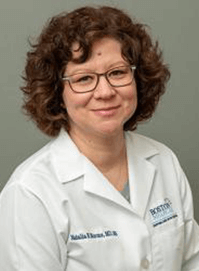
OPTIMUM, an NIH Collaboratory Trial led by Natalia Morone of Boston University and Boston Medical Center, is studying the addition of mindfulness-based stress reduction to usual care for patients with chronic low back pain, with the goal of improving pain outcomes and reducing opioid prescriptions. The study is supported within the NIH Pragmatic Trials Collaboratory through the NIH HEAL Initiative by a grant award administered by the National Center for Complementary and Integrative Health. Learn more about OPTIMUM.

September 10, 2025: Initial Outcomes of OPTIMUM, in This Week’s Rethinking Clinical Trials Grand Rounds

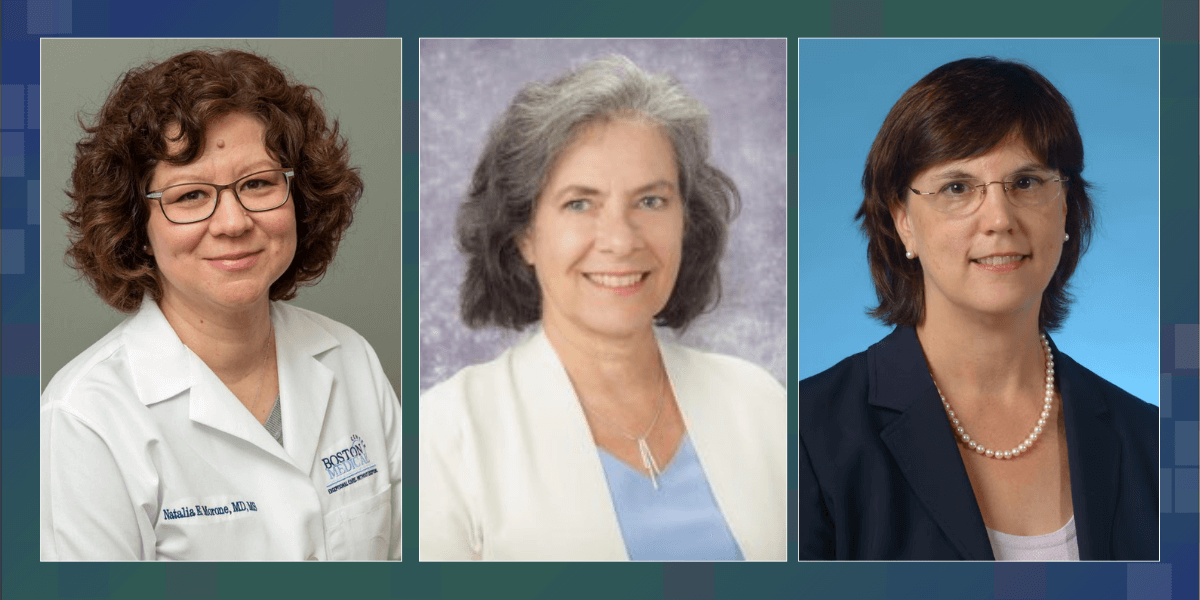
Headshots of Drs. Natalia Morone, Carol Greco, and Kim FaurotIn this Friday’s Rethinking Clinical Trials Grand Rounds, Natalia Morone, Carol Greco, and Kim Faurot will present “Initial Outcomes of the Optimizing Pain Treatment in Medical Settings Using Mindfulness (OPTIMUM) Pragmatic Trial.”

The Grand Rounds session will be held on Friday, September 12, 2025, at 1:00 pm eastern.

OPTIMUM, an NIH Collaboratory Trial, is studying the addition of mindfulness-based stress reduction to usual care for patients with chronic low back pain, compared with usual care alone, with the goal of improving pain outcomes and reducing opioid prescriptions. Learn more about OPTIMUM.

Morone, the principal investigator for OPTIMUM, is an associate professor of medicine at Boston University and a clinical general internist at Boston Medical Center. Greco is an associate professor of psychiatry and psychical therapy at the University of Pittsburgh. Faurot is an assistant professor of physical medicine and rehabilitation at the University of North Carolina at Chapel Hill.

Join the online meeting.

July 16, 2025: OPTIMUM Team Explores Complexities of Virtual Intervention Delivery

OPTIMUM logoFeatures of the external environment during online medical group visits and interacting with the technology itself emerged as key themes in interviews with patients participating in the OPTIMUM trial.

The findings were published online in Global Advances in Integrative Medicine and Health.

OPTIMUM, an NIH Collaboratory Trial led by Natalia Morone of Boston University and Boston Medical Center, is studying the addition of mindfulness-based stress reduction to usual care for patients with chronic low back pain, compared with usual care alone, with the goal of improving pain outcomes and reducing opioid prescriptions.

Patients’ experiences varied significantly during the online group medical visits and were influenced by social determinants of health. Exploring these differences in a racially and ethnically diverse group of participants enabled the researchers to begin developing a framework for comparing disparate experiences with virtual vs in-person mindfulness-based stress reduction interventions.

“On closer look, there are multiple variables at play that differentially affect how participants interact with the virtual setting,” the authors wrote. Jessica Barnhill of the University of North Carolina at Chapel Hill was the lead author of the report.

Read the full article.

OPTIMUM is supported within the NIH Pragmatic Trials Collaboratory through the NIH HEAL Initiative by a grant award administered by the National Center for Complementary and Integrative Health. Learn more about OPTIMUM.

July 3, 2025: OPTIMUM Team Identifies Facilitators of Participant Retention and Engagement

Headshot of Dr. Natalia Morone, principal investigator for OPTIMUM
Dr. Natalia Morone, principal investigator for OPTIMUM

Trust in their clinicians, positive interactions with study staff, and opportunities for social connection can improve recruitment, retention, and engagement with research participants, according to focus groups of participants in the OPTIMUM trial. These factors can be especially important for first-time research participants and for groups that are historically underrepresented in clinical trials.

The article was published online in Global Advances in Integrative Medicine and Health.

OPTIMUM, an NIH Collaboratory Trial, is studying the addition of mindfulness-based stress reduction to usual care for patients with chronic low back pain, compared with usual care alone, with the goal of improving pain outcomes and reducing opioid prescriptions. Patients in the control group were also offered free mindfulness sessions after the end of the 12-month follow-up period.

Understanding of randomized controlled trials and general research processes emerged as another important theme in the focus groups. In particular, appreciating the value of the control group in a randomized controlled trial can support participants’ ongoing engagement.

“Consistent, positive study staff interactions were particularly important for control group participants who were not immediately receiving the intervention that initially interested them in the trial,” the authors wrote.

The OPTIMUM trial, which is embedded in safety net hospitals and federally qualified health centers, includes a large number of first-time participants in research and patients from racial and ethnic groups that tend to be underrepresented in research. Understanding the needs and perspectives of first-time research participants and those from underrepresented groups can improve recruitment and retention strategies and help ensure the representativeness of study populations.

Read the full report.

OPTIMUM is supported within the NIH Pragmatic Trials Collaboratory through the NIH HEAL Initiative by a grant award administered by the National Center for Complementary and Integrative Health. Learn more about OPTIMUM.

July 2, 2025: Researchers Share Tips for Embedding Pragmatic Trials Into Primary Care Settings

Headshots of Drs. Wendy Weber, Julie Fritz, Natalia Morone, and Sebastian TongAlthough the need for pragmatic research in primary care settings is great, conduct of pragmatic clinical trials in these settings remains nascent. In a session at the NIH Pragmatic Trials Collaboratory’s 2025 Annual Steering Committee Meeting, Wendy Weber of the National Center for Complementary and Integrative Health (NCCIH) led a discussion about how to expand pragmatic research into primary care settings.

The panelists included Julie Fritz, principal investigator (PI) for BeatPain Utah; Natalia Morone, PI for OPTIMUM; and Sebastian Tong, co-PI for AIM-CP. They shared some of the challenges of conducting research in primary care.

  • Primary care physicians have multiple competing demands for attention and focus, and a range of topics to cover in a single visit.
  • The expectation of being offered participation in clinical trials is lower in primary care than in specialty visits.
  • There are fewer resources that can be diverted to research in primary care, especially time and personnel.

Key Takeaways

How do we adapt pragmatic clinical trials to primary care?

Identify relevant and meaningful research questions

The panelists suggested that, when planning a trial, investigators should think about the primary care setting and consider what problems keep clinicians up at night. Research will be easier to implement if it helps alleviate these problems.

“In primary care, [primary care physicians] are looking at the entire person,” Tong said. “There has to be value added in how we care for the patients with the condition under study, either where the [physician] sees a difference in their patients’ lives or their own lives with respect to reduced burden,” he said.

The panelists also suggested that, for community health centers, there are certain conditions that are linked to data reporting standards, and aligning research with these standards will make studies easier to champion.

Adapt to different kinds of primary care settings

The panelists stressed the need for adaptably and flexibility in intervention delivery because all primary care settings are different. If  possible, researchers should tailor the workflow at each site in a way that is familiar to providers. the panelists also suggested that initial engagement by external researchers is best made with someone who is trusted at the site.

Some clinics, including community health centers, may be new to research and may need additional support. Many do not have an institutional review board or a Federalwide Assurance number, and many do not have experience using the electronic health record for research and developing data use agreements.

About the Trials

  • BeatPain Utah, supported by the National Institute of Nursing Research (NINR), is comparing the effectiveness of nonpharmacologic interventions delivered via telehealth for patients with back pain seeking care in federally qualified health centers in Utah.
  • OPTIMUM, supported by NCCIH, is assessing the impact of a group-based mindfulness intervention for patients with chronic back pain under usual care circumstances in the primary care setting.
  • AIM-CP, supported by NINR, is testing the implementation of a care management program to address disparate access to nonpharmacological treatments for chronic pain in rural populations.

This summer, we are sharing highlights from the 2025 Annual Steering Committee Meeting.  Access the complete collection of meeting materials.

December 12, 2024: A Year of Innovations and Insights From the NIH Pragmatic Trials Collaboratory

A graphic showing a collection of journal covers.In 2024, experts from the NIH Pragmatic Trials Collaboratory published the results of newly completed studies, shared insights from program leadership, and developed innovative methods in the design, conduct, and analysis of pragmatic clinical trials. Their work included perspectives from the Coordinating Center, best practices from the Core Working Groups, and results from the NIH Collaboratory Trials.

The program contributed more than 30 articles to the peer-reviewed literature this year, including the primary results of the ICD-Pieces and Nudge trials. Several cross-Core and cross-Trial collaborations led to the sharing of important lessons from the conduct of multiple NIH Collaboratory Trials.

The total number of published articles from the program surpassed 340.

Coordinating Center

Cross-Core and Cross-Trial Collaborations

Core Working Groups

Biostatistics and Study Design Core

Electronic Health Records Core

Ethics and Regulatory Core

Community Health Improvement Core

Implementation Science Core

Patient-Centered Outcomes Core

NIH Collaboratory Trials

ABATE Infection

BackInAction

BeatPain Utah

EMBED

FM-TIPS

GGC4H

GRACE

I CAN DO Surgical ACP

ICD-Pieces

LIRE

NOHARM

Nudge

OPTIMUM

PRIM-ER

PROVEN

SPOT

STOP CRC

TSOS

July 19, 2022: Three PRISM NIH Collaboratory Trials Share Latest Updates and Accomplishments

At the NIH Pragmatic Trials Collaboratory’s annual Steering Committee meeting this spring, we interviewed investigators from 3 of the PRISM NIH Collaboratory Trials to discuss their progress in the first year of study implementation. All of the studies began enrollment last year.

The PRISM program (Pragmatic and Implementation Studies for the Management of Pain to Reduce Opioid Prescribing) is a component of the NIH’s Helping to End Addiction Long-term (HEAL) Initiative. The PRISM NIH Collaboratory Trials are studying the real-world effectiveness of nonpharmacologic interventions for pain and assessing the implementation of these interventions to improve pain management and reduce reliance on opioids. The NIH Collaboratory Coordinating Center serves as the PRISM Resource Coordinating Center.

BeatPain Utah is a pragmatic trial of nonpharmacologic pain management interventions in primary care clinics of US federally qualified health centers in Utah. The interventions are designed to overcome barriers specific to rural and lower-income communities through innovative use of telehealth resources. The study is administered by the National Institute of Nursing Research and is being conducted by Dr. Julie Fritz of the University of Utah. Learn more about BeatPain Utah.

The GRACE trial is a hybrid effectiveness–implementation trial of guided relaxation and acupuncture for pain associated with chronic sickle cell disease in 3 large healthcare systems. The study is administered by the National Center for Complementary and Integrative Health and is being conducted by Drs. Ardith Doorenbos, Judith Schlaeger, Robert Molokie, and Miriam Ezenwa of the University of Illinois Chicago and Dr. Nirmish Shah of Duke University. Learn more about GRACE.

OPTIMUM is evaluating the impact of an innovative, group-based mindfulness program for patients with chronic low back pain in real-world clinical settings. Mindfulness is effective for the treatment of chronic low back pain but remains underutilized as it has not been regularly woven into outpatient clinical settings. The study is administered by National Center for Complementary and Integrative Health and is being conducted by Dr. Natalia Morone of Boston University and Boston Medical Center. Learn more about OPTIMUM.

See also our recent interviews with the principal investigators of our other PRISM NIH Collaboratory Trials:

Headshots of Julie Fritz, Ardith Doorenbos, and Natalia Morone

March 25, 2022: A Telehealth-Delivered Pragmatic Trial of Mindfulness for Persons with Chronic Low Back Pain (Natalia Morone, MD, MS)

Speaker

Natalia E. Morone, MD, MS
Associate Professor of Medicine
Boston University/Boston Medical Center

Keywords

Chronic pain; Mindfulness; Stress Reduction; Low back pain; OPTIMUM; The Pain, Enjoyment of Life and General Activity (PEG) Scale; HEAL Initiative

Key Points

  • Chronic back pain is very common across all racial and ethnic groups. Doctors treat chronic back pain with non-pharmacologic methods before resorting to pharmacologic treatments.
  • Optimizing Pain Treatment in Medical Settings Using Mindfulness (OPTIMUM) is a randomized study of mindfulness for low back pain operating in 3 health settings: Boston Medical Center; UPMC, Pittsburgh, PA; and University of North Carolina, Chapel Hill in partnership with Piedmont Health Services.
  • Participation in the OPTIMUM study requires 8 weekly 90 minute group-based sessions of mindfulness meditation training delivered in primary care through a telehealth medical visit with follow up assessments at 6 and 12 months.
  • Four methods of mindfulness meditation are taught: Walking meditation, body scan, breath focused meditation, and mindful stretching.
  • The OPTIMUM study uses the PEG scale as the main outcome measure at the 6 and 12 month follow up assessments.
  • Group tele-health visits provide a variety of benefits for patients including more time with a clinician, better medication adherence, and more patient satisfaction.

Discussion Themes

Primary care usually consists of 1 provider and 1 patient, but family medicine evolved to see patients in a group. This group setting model may have unexpected benefits.

OPTIMUM is part of the PRISM project and is collecting data on participant use of opioids along with all PRISM projects.

Recruiting minority participants has been a priority in the OPTIMUM trial. Targeting recruitment advertisements to zip codes where more minorities live makes a difference in recruiting a diverse population.


Read more about the OPTIMUM trial.


 Tags

#pctGR, @Collaboratory1

March 23, 2022: OPTIMUM Pragmatic Trial Will Be Featured in PCT Grand Rounds

Headshot of Dr. Natalia Morone
Dr. Natalia Morone, principal investigator of OPTIMUM

In this Friday’s PCT Grand Rounds, Dr. Natalia Morone of Boston University and Boston Medical Center will present “A Telehealth-Delivered Pragmatic Trial of Mindfulness for Persons With Chronic Low Back Pain.” The Grand Rounds session will be held on Friday, March 25, at 1:00 pm eastern.

Mindfulness-based stress reduction is now recommended by the American College of Physicians for initial treatment of chronic low back pain. The primary goal of OPTIMUM, an NIH Pragmatic Trials Collaboratory Trial, is to determine the impact of a group-based mindfulness intervention under usual care circumstances.

Join the online meeting.

OPTIMUM is supported by the NIH through the NIH HEAL Initiative under an award from the National Center for Complementary and Integrative Health.