January 15, 2025: Designing for Diversity, in This Week’s PCT Grand Rounds

Headshot of Dr. Christopher Lindsell
Dr. Christopher Lindsell

In this Friday’s PCT Grand Rounds, Chris Lindsell of Duke University will present “Design for Diversity.”

The Grand Rounds session will be held on Friday, January 17, 2025, at 1:00 pm eastern.

Lindsell is professor and cochief of biostatistics and bioinformatics, director of data science and biostatistics at the Duke Clinical Research Institute, and director of biostatistics and bioinformatics at the Duke Clinical and Translational Science Institute—all at Duke University.

Join the online meeting.

November 21, 2024: Are Pragmatic Trials Living Up to the Promise of Improving Representativeness?

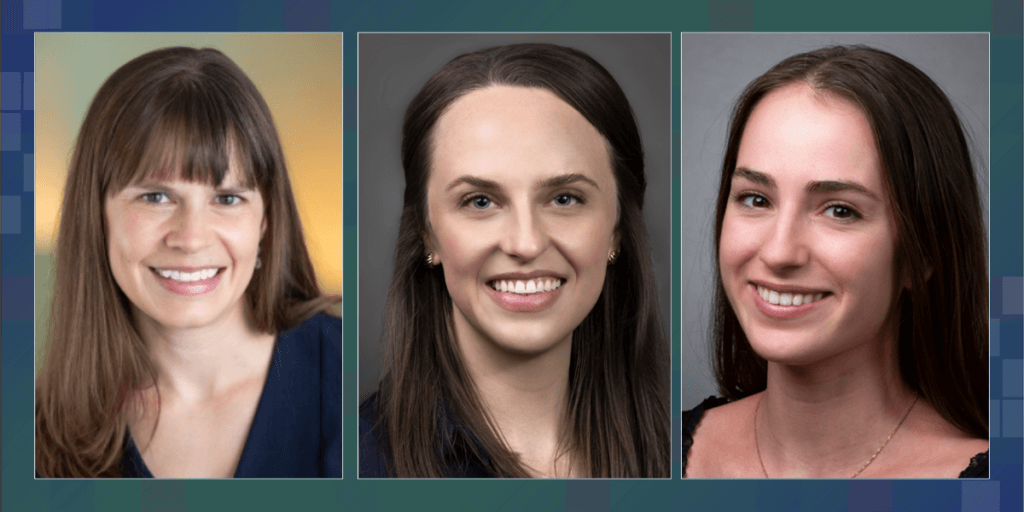
Headshots of Stephanie Morain, Kayla Mehl, and Caleigh Propes
(Left to right) Authors Stephanie Morain, Kayla Mehl, and Caleigh Propes

In a new commentary, members of the NIH Pragmatic Trials Collaboratory’s Ethics and Regulatory Core explore the potential of pragmatic trials to improve demographic representativeness and health equity in clinical research. The article, “Untapped Potential? Representativeness in Pragmatic Clinical Trials,” was published online ahead of print in JAMA.

Authors Caleigh Propes, Kayla Mehl, and Stephanie Morain review early experiences with pragmatic trials and describe the challenges researchers face in achieving representative enrollment:

  • Pragmatic trials are embedded in unjust healthcare systems
  • Pragmatic trials often rely on electronic health record systems for data collection
  • As in traditional clinical trials, site selection in pragmatic trials tends to be biased toward better-resourced sites and sites with closer ties to established researchers
  • There is a general lack of attention to health equity considerations in trial design

The authors conclude that “further empirical scholarship is needed to assess the extent to which [pragmatic trials] are (or are not) truly representative and to define appropriate enrollment goals.”

Read the full article.

Propes is a doctoral student in bioethics and health policy and management at the Berman Institute of Bioethics, Mehl is a postdoctoral fellow in the ethics and regulatory aspects of pragmatic clinical trials at the Berman Institute, and Morain is a core faculty member at the Berman Institute and an associate professor of health policy and management at the Bloomberg School of Public Health—all at Johns Hopkins University.

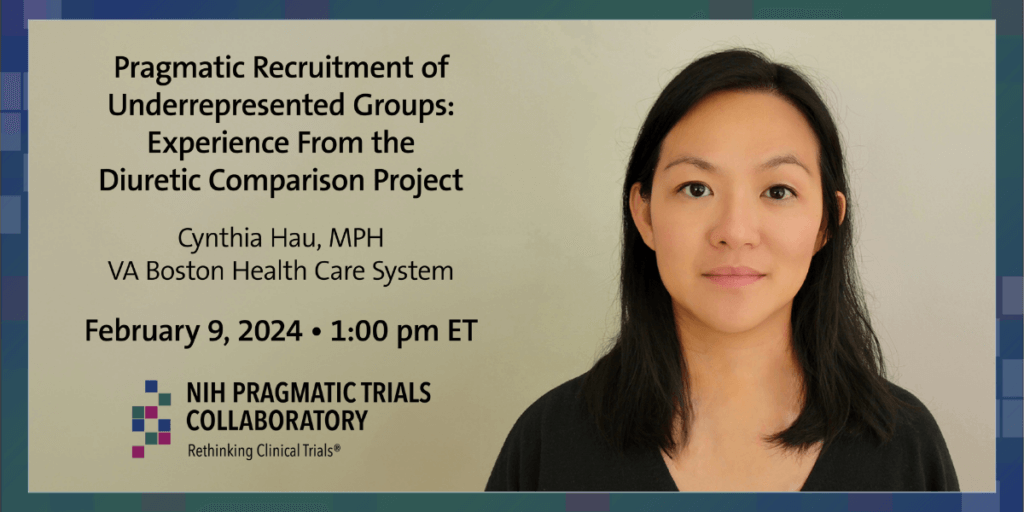
February 7, 2024: Pragmatic Recruitment of Underrepresented Groups, in This Week’s PCT Grand Rounds

In this Friday’s PCT Grand Rounds, Cynthia Hau of the VA Boston Health Care System will present “Pragmatic Recruitment of Underrepresented Groups: Experience From the Diuretic Comparison Project.”

The Grand Rounds session will be held on Friday, February 9, 2024, at 1:00 pm eastern.

Hau is a statistician for the VA Cooperative Studies Program Coordinating Center in the VA Boston Health Care System. Hau recently led a secondary analysis of the Diuretic Comparison Project presenting a centralized electronic health record–based model for the recruitment of participants from underrepresented groups.

Join the online meeting.

February 6, 2024: Racial and Ethnic Minority Injury Survivors See Greater Improvements in PTSD Symptoms in the TSOS Study

Cover of the journal Trauma Surgery & Acute Care OpenInjury survivors from racial and ethnic minority groups experienced greater improvements than White injury survivors in their posttraumatic stress disorder (PTSD) symptoms after receiving a stepped collaborative care intervention. This was the finding of a secondary analysis of data from the Trauma Survivors Outcomes and Support (TSOS) study, an NIH Collaboratory Trial led by principal investigator Doug Zatzick of the University of Washington.

The report was published online in Trauma Surgery & Acute Care Open.

In the TSOS study's main analysis, which was published in JAMA Surgery in 2021, the researchers saw a significant reduction in PTSD symptoms at 6 months in the intervention group compared with the control group. In the new secondary analysis, they saw that reduction in symptoms among racial and ethnic minority patients but not among White, non-Hispanic patients.

The findings "suggest that the previously reported 6-month treatment effects derive predominantly from intervention-related PTSD symptom improvements in non-white/Hispanic patients," wrote author Khadija Abu and colleagues from the University of Washington and the University of California, Los Angeles.

The TSOS study, an NIH Collaboratory Trial, was a stepped-wedge, cluster randomized pragmatic clinical trial testing the delivery of a stepped collaborative care intervention vs usual care for injured patients with PTSD symptoms and comorbid conditions. The study was conducted at 25 level I trauma centers in the United States. Of the 635 patients in the trial, 350 were from racial backgrounds other than White—including 218 patients who identified as African American, 15 as American Indian or Alaska Native, 8 as Asian or Pacific Islander, and 109 as multiple or other races. One-hundred two patients were Hispanic.

Patients in the control group received usual care plus nurse notification about their high level of distress. Patients in the intervention group received collaborative care consisting of evidence-based medication, cognitive behavioral therapy, and case management.

The study team proposed a few possible explanations for their findings:

  • In addition to its universal components, the TSOS intervention and referral elements consisted of tailored components designed to address the needs of a multicultural patient population by incorporating social determinants of health.
  • Collaborative care models include shared decision-making approaches, which are thought to enhance patients' engagement in care in racial and ethnic minority populations and other underserved groups.
  • In the year before their injury, almost half of the white, non-Hispanic patients in the study had accessed mental health services, compared with only about a quarter of the non-White and Hispanic patients, suggesting that participation in the study improved access to mental health care for patients in racial and ethnic minority groups.

A commentary accompanying the article praised the TSOS research team for "taking important steps to care for adverse sequelae associated with traumatic injury," and noted that "these first steps represent giant leaps for health equity" for underserved populations.

The TSOS study was supported within the NIH Pragmatic Trials Collaboratory by a cooperative agreement from the National Institute of Mental Health and by the NIH Common Fund through a cooperative agreement from the Office of Strategic Coordination within the Office of the NIH Director. Learn more about the NIH Collaboratory Trials.

January 29, 2024: IMPACT Collaboratory Announces Health Equity Certificate Program for Pragmatic Trials Researchers

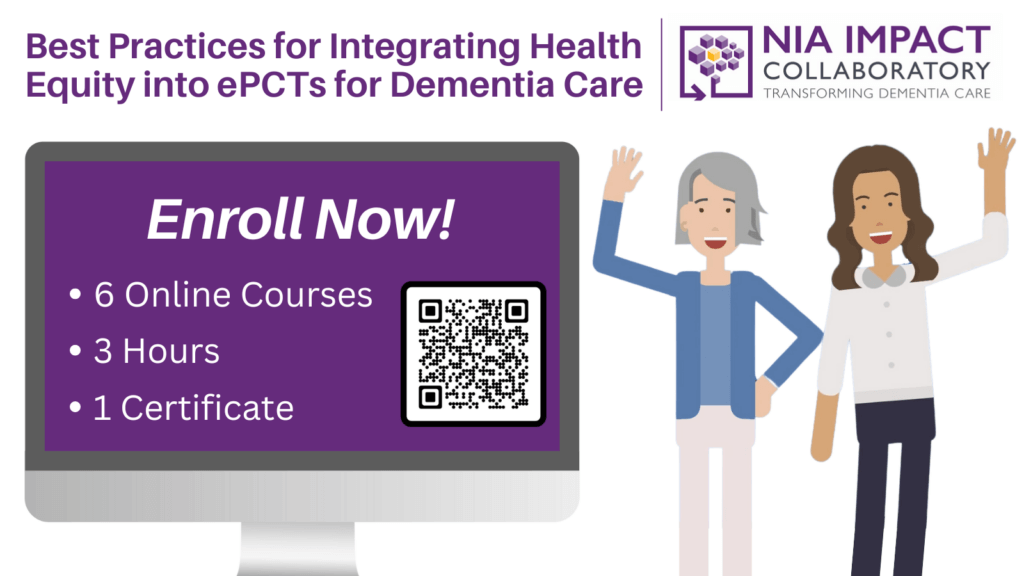
The NIA IMPACT Collaboratory announced a new online certificate program designed to empower researchers at all levels in integrating health equity considerations into embedded pragmatic clinical trials (ePCTs) for people living with dementia and their care partners.

Program Overview

This comprehensive training program, aligned with the IMPACT Collaboratory's "Best Practices for Integrating Health Equity into ePCTs for Dementia Care" document, equips researchers with the knowledge and skills to incorporate health equity considerations into design and research activities at every level of ePCTs for people living with dementia. The program covers 6 essential topic areas:

  • Getting started
  • Community Partner Engagement
  • Design and Analysis
  • Intervention Design and Implementation
  • Healthcare System and Participant Selection
  • Selecting Outcomes

Key Features

  • Free, accessible online training
  • Six courses, each including 2 to 5 brief and engaging videos
  • Self-paced learning, typically completed in 3 hours or less
  • Certificate upon successful completion of the program

Access the Training

Visit the IMPACT Collaboratory website for details and links to set up your free learning account. This account not only provides access to the health equity training program but also to other certificate programs and training materials.

The NIA IMPACT Collaboratory is supported by a grant from the National Institute on Aging.

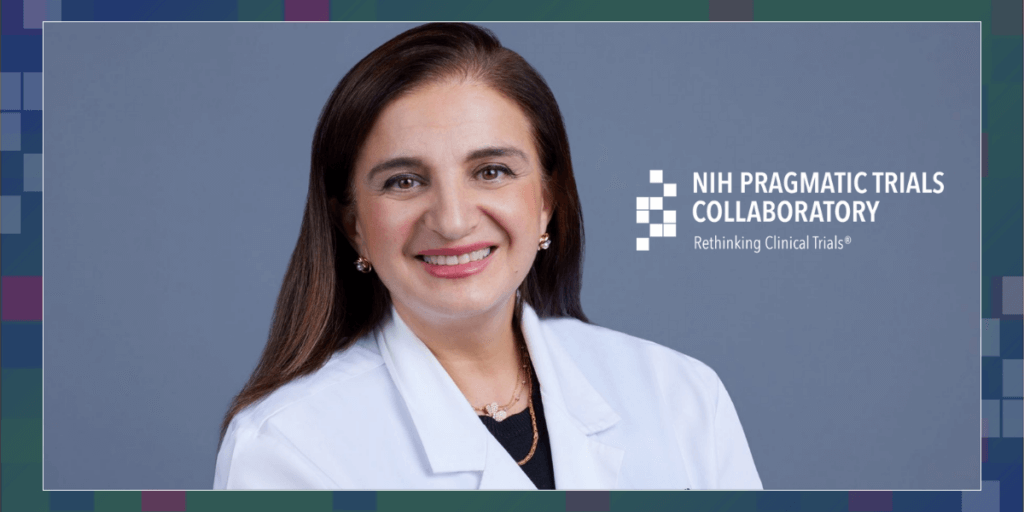
December 13, 2023: In This Week’s PCT Grand Rounds, a Path Forward for Diversifying Clinical Trials

In this Friday's PCT Grand Rounds, Roxana Mehran of the Icahn School of Medicine at Mount Sinai will present "Diversifying Clinical Trials: A Path Forward."
The Grand Rounds session will be held on Friday, December 15, 2023, at 1:00 pm eastern.

Mehran is a professor of medicine and the director of interventional cardiovascular research and clinical trials at the Zena and Michael A. Wiener Cardiovascular Institute at the Mount Sinai School of Medicine.

Join the online meeting.

November 27, 2023: NIH Announces Funding Opportunity for Implementation Studies of Substance Use Treatment and Prevention in Populations That Experience Health Disparities

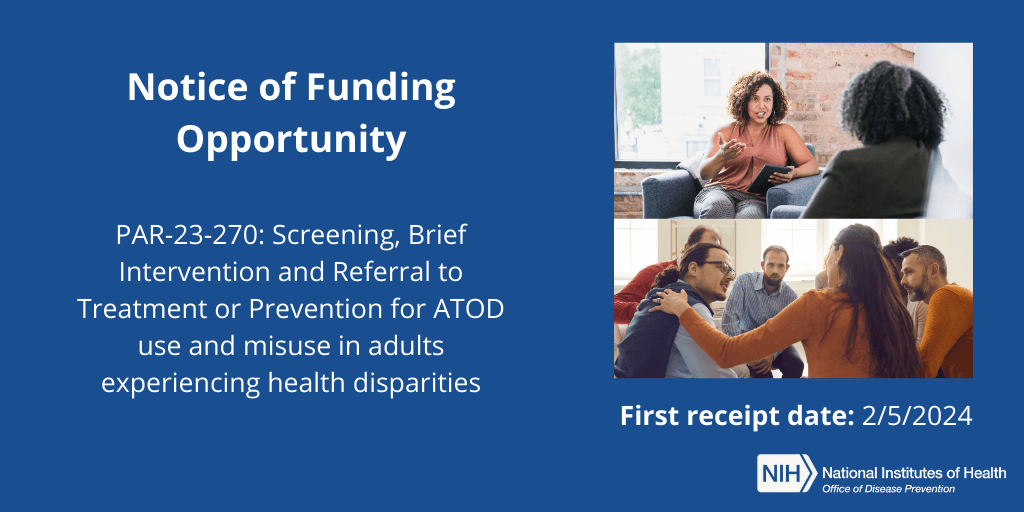
The National Institutes of Health’s Office of Disease Prevention (ODP) issued a new funding opportunity to support implementation studies in treatment and prevention for alcohol, tobacco, and other drugs use and misuse in adult populations that experience health disparities.

ODP and participating NIH Institutes and Centers are inviting applications for research projects that test innovative approaches to implementing screening, brief intervention, and referral to treatment or prevention for alcohol, tobacco, and other drugs use and misuse. This R01 funding opportunity will support clinical trial research that develops and prospectively tests implementation strategies that overcome barriers to prevention and treatment in diverse settings. Applicants are strongly encouraged to include in their proposals robust engagement with relevant healthcare and community partners and to examine organizational and system contexts.

The first receipt date for new applications is February 5, 2024.

Read the full funding opportunity.

Including All Populations in Pragmatic Clinical Trials

Including All Populations in Pragmatic Clinical Trials

Description

While ePCTs have the potential to expand people's opportunity to participate in knowledge generation, gaps in access to healthcare mean some populations are still being left out. In this interview, Drs. Rosa Gonzalez-Guarda, Rachel Gold, and Karen Khel discuss challenges and solutions for investigators as they strive to improve representativeness in research.

Speakers

Rosa Gonzalez-Guarda, PhD, MPH, RN, FAAN
Associate Professor, Duke University School of Nursing
Community Health Improvement Core Co-chair

Rachel Gold, PhD, MPH
Kaiser Permanante Center for Health Research

Karen Kehl, PhD, RN, FPCN
National Institute of Nursing Research

Related Content

Living Textbook: Participant Recruitment

Read more in our news section.

Keynote: Broadening Clinical Trial Populations: Why It’s Important and How Can We Improve

Keynote: Broadening Clinical Trial Populations: Why It’s Important and How Can We Improve

Description

In this Keynote Presentation, Dr. Clyde Yancy offers ways to ensure all populations have access to pragmatic clinical trials. The path forward includes expanding recruitment and training of coordinator and investigator research teams, incorporating novel information technology strategies, revision of the informed consent process to match literacy levels, and education at the societal level to advance overall "research IQ."

Speaker

Clyde W. Yancy, MD, MSc, MACC, FAHA, MACP, FHFSA
Vice Dean, Diversity and Inclusion, Northwestern University, Feinberg School of Medicine


Related

Participant Recruitment

Community Health Improvement Core Page

Patient-Centered Outcomes Research: Approaches for Patient and Community Engagement

Patient-Centered Outcomes Research: Approaches for Patient and Community Engagement

Description

The Patient-Centered Outcomes Institute (PCORI) is an independent, non-profit research organization dedicated to funding real-world questions that will inform patients and other health care stakeholders. In this video, Dr. Anne Trontell, Associate Director of PCORI, shares the importance of early and continuous investment in engaging patients, stakeholders, and communities.

Speaker

Anne Trontell, MD, MPH
Associate Director in the Clinical Effectiveness and Decision Science Program
Patient-Centered Outcomes Research Institute


Related

Building Partnerships and Teams to Ensure a Successful Trial