Lessons Learned From Implementing a Pragmatic Trial Using EHR and Other Real-World Data

Lessons Learned From Implementing a Pragmatic Trial Using EHR and Other Real-World Data

Description

This NIH Collaboratory Learning Module explores opportunities for turning routine clinical care into real-world data for pragmatic trials using the electronic health record. Concepts covered include using the EHR for patient selection, intervention delivery, and outcome ascertainment. Using the experiences of NIH Collaboratory Trial ICD-Pieces, this video focuses on the flexibility and adaptations necessary from the research team when using EHR data for pragmatic clinical trials.

Speaker

George 'Holt' Oliver, MD, PhD
Parkland Center for Clinical Innovation (PCCI)
VP Clinical Informatics
Dallas, Texas

Related

Using Electronic Health Record Data in Pragmatic Clinical Trials
The Big Picture: Healthcare Data and Interoperability

The Big Picture: Healthcare Data and Interoperability

Description

In this video, Dr. Lesley Curtis explores how data flow into EHRs and move between systems, the role of data standards, and the barriers to building a more streamlined and connected healthcare system.

Speaker

Lesley Curtis, PhD
Professor of Population Health Sciences and Medicine, Duke University
Duke Clinical Research Institute
Collaboratory Steering Committee Chair

Related

Electronic Health Records–Based Phenotyping

Common Data Models

Common Data Models

Description

In this video, Dr. Lesley Curtis explores Common Data Models (CDMS). Topics include: How CDMs work, customizing CDMs for specific research questions, challenges and benefits of CDMs, and the future of CDMs.

Speaker

Lesley Curtis, PhD
Professor of Population Health Sciences and Medicine, Duke University
Duke Clinical Research Institute
Collaboratory Steering Committee Chair

Related

Acquiring Real-World Data

Using Electronic Health Record Data in Pragmatic Clinical Trials

How Do You Design Trials That Are Fit for Purpose?

How Do You Design Trials That Are Fit for Purpose?

Description

In this video, Dr. Lesley Curtis discusses how to design pragmatic trials that are fit for purpose by using the PRECIS-2 tool, which underscores the many considerations that go into the underlying pragmatism of a trial.

Speaker

Lesley Curtis, PhDHeadshot of Dr. Lesley Curtis
Professor of Population Health Sciences and Medicine, Duke University
Duke Clinical Research Institute
Collaboratory Steering Committee Chair


Including All Populations in Pragmatic Clinical Trials

Including All Populations in Pragmatic Clinical Trials

Description

While ePCTs have the potential to expand people's opportunity to participate in knowledge generation, gaps in access to healthcare mean some populations are still being left out. In this interview, Drs. Rosa Gonzalez-Guarda, Rachel Gold, and Karen Khel discuss challenges and solutions for investigators as they strive to improve representativeness in research.

Speakers

Rosa Gonzalez-Guarda, PhD, MPH, RN, FAAN
Associate Professor, Duke University School of Nursing
Community Health Improvement Core Co-chair

Rachel Gold, PhD, MPH
Kaiser Permanante Center for Health Research

Karen Kehl, PhD, RN, FPCN
National Institute of Nursing Research

Related Content

Living Textbook: Participant Recruitment

Read more in our news section.

Keynote: Can the COVID-19 Crisis Lead to Reformation of the Evidence Generation Ecosystem?

Keynote: Can the COVID-19 Crisis Lead to Reformation of the Evidence Generation Ecosystem?

Description

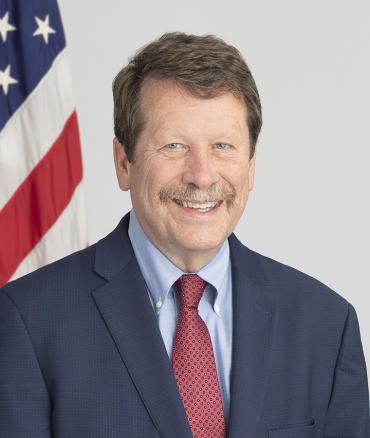
Dr. Robert Califf, Commissioner of the Food and Drug Administration, shares what he believes are the most important drivers that will improve the evidence generation ecosystem. The effective use of digital information, such as data from the EHR, telehealth and apps should are merely a first step. Dr. Califf suggests we focus on the purpose of clinical trials: getting important questions answered quickly.

Speaker

Robert Califf, MD
Comissioner of Food and Drugs, U.S. Food and Drug Administration


Related

The Embedded Pragmatic Clinical Trial Ecosystem

Learning Health Systems and Embedded Clinical Trials

The Stepped Wedge Cluster Randomized Trial: Friend or Foe?

The Stepped Wedge Cluster Randomized Trial: Friend or Foe?

Description

This Grand Rounds presentation was part of our special Grand Rounds series, Ethical & Regulatory Dimensions of Pragmatic Clinical Trials. Monica Taljaard and David Magnus present their lessons learned from using stepped-wedge designs in ePCTs.

Speakers

Monica Taljaard, PhD
Senior Scientist, Clinical Epidemiology Program, Ottawa Hospital Research Institute
Full Professor, Epidemiology and Community Medicine, University of Ottawa

David Magnus, PhD
Professor of Medicine and Biomedical Ethics and Professor of Pediatrics, Medicine, and by courtesy of Bioengineering
Director, Stanford Center for Biomedical Ethics
Associate Dean for Research


Related Content

Living Textbook: Stepped-Wedge Designs

Is a PCT Right for Your Research Question?

Is a PCT Right for Your Research Question?

Description

The first step to determining if a pragmatic clinical trial is right for your research question is identifying what you want your research study to answer, says Dr. Wendy Weber in this training video. Another important question researchers need to answer is does the intervention work? Often this work needs to be done before the pragmatic clinical trial, when a study might ask if the intervention works when it is delivered in routine practice?

Speaker

Wendy Weber, ND, PhD, MPH
Branch Chief, Clinical Research Branch
Division of Extramural Research
National Center for Complementary and Integrative Health (NCCIH)

Photo of Greg Simon

Swimming with the Sharks: Translation of Pragmatic Trial Results

Swimming with the Sharks: Translation of Pragmatic Trial Results

Description

To illustrate the importance of health system leader engagement, we gathered healthcare systems leaders for a panel modeled after the Shark Tank TV show. In the video, Dr. Greg Simon is tasked with convincing healthcare system leadership to invest in implementing the intervention from the Suicide Prevention Outreach Trial (SPOT).

Biography

Photo of Greg SimonGregory Simon, MD, MPH
Senior Investigator, Kaiser Permanente Washington Health Research Institute
SPOT NIH Collaboratory Trial PI
Health Care Systems Interactions Core Chair

Related

Deciding Who to Engage

View more content from the Disseminating, Implementing, and Sustaining Evidence-Based Practices into Clinical Care: NIH-Hosted Workshop.

Why Should I Do A Pragmatic Trial?

Why Should I Do A Pragmatic Trial?

Description

There are typically two reasons to do a pragmatic clinical trial. The first is to generate real-world evidence that will inform how to deliver care. The second reason is to generate evidence faster and for less money than a traditional trial, though pragmatic trials are not always faster or less expensive than traditional clinical trials.

Speaker

Lesley Curtis, PhDHeadshot of Dr. Lesley Curtis
Professor of Population Health Sciences and Medicine, Duke University
Duke Clinical Research Institute
Collaboratory Steering Committee Chair

Related

What Are Pragmatic Clinical Trials?