June 27, 2024: NIH HEAL Initiative Turns Attention to Pragmatic Trials in Rural Communities

Three of the newest NIH Collaboratory Trials are supported through the NIH HEAL Initiative℠, or Helping to End Addiction Long-Term Initiative℠, reflecting a special emphasis on developing strategies for the management of chronic pain in rural and remote populations.

“There are many known disparities between urban and rural populations,” said Karen Kehl, a program director at the National Institute of Nursing Research (NINR). “And when we talk about chronic pain, we know that there’s a higher incidence and a higher severity of pain in rural populations, and yet they don’t have access to many of the effective solutions that we have,” Kehl added.

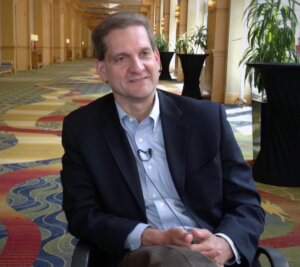
We recently spoke with Kehl, Julie Fritz of the BeatPain Utah trial, and the principal investigators of the AIM-CP, ARBOR-Telehealth, and RAMP trials at the NIH Collaboratory’s 2024 Annual Steering Committee Meeting. They discussed the progress of their studies and the importance of supporting healthcare and promoting health equity in rural communities through pragmatic research.

AIM-CP

AIM-CP will test the implementation of a care management program to address inequities in access to nonpharmacological treatment for chronic pain in rural populations. The principal investigators are Kushang Patel and Sebastian Tong of the University of Washington. The study is supported by NINR. Learn more about AIM-CP.

ARBOR-Telehealth

ARBOR-Telehealth will evaluate the use of a telehealth physical therapy strategy for patients who present to primary care clinics with low back pain in rural communities. The principal investigators are Richard Skolasky and Kevin McLaughlin of Johns Hopkins University. The study is supported by the National Institute of Arthritis and Musculoskeletal and Skin Diseases. Learn more about ARBOR-Telehealth.

RAMP

RAMP will evaluate the use of a 12-week mind-body skills training program for rural veterans with pain, including a one-on-one session with a “whole health coach” followed by 11 weekly group sessions to include prerecorded expert-led education videos, mind-body skills training and practice, and group discussions. The principal investigators are Diana Burgess and Roni Evans of the University of Minnesota and Katherine Hadlandsmyth of the University of Iowa. The study is supported by NINR. Learn more about RAMP.

Learn more about the NIH Collaboratory Trials.

June 24, 2024: GGC4H Finds Increase in Depression Among Early Adolescents During COVID-19 Pandemic

Headshots of Dr. Margaret Kuklinski and Dr. Stacy Sterling
Dr. Margaret Kuklinski and Dr. Stacy Sterling

In an analysis of behavioral health data from the GGC4H study, researchers observed a significant increase in the rate of depression among early adolescents during the first year of the COVID-19 pandemic in the United States. The results extend findings on adolescent mental health during the pandemic to younger adolescents, a relatively understudied population.

The report was published online ahead of print in the Journal of Adolescence.

GGC4H, an NIH Collaboratory Trial, is a pragmatic clinical trial testing the feasibility and effectiveness of implementing within healthcare systems the Guiding Good Choices substance use prevention program for caregivers of adolescents aged 11 to 13 years. Youth included in the current analysis completed a behavioral health survey between March and September 2020 and again between September 2020 and May 2021. The survey included self-reported measures of anxiety, depression, and suicidal ideation.

The researchers observed high initial and sustained rates of anxiety and suicidal ideation and a significant increase in depression. Prevalance of mental health concerns was greatest for female and Hispanic youth early in the pandemic and for female and Medicaid-insured youth at mid-pandemic.

Read the full article.

GGC4H is supported within the NIH Pragmatic Trials Collaboratory by a cooperative agreement from the National Center for Complementary and Integrative Health. Learn more about the NIH Collaboratory Trials.

June 13, 2024: Burgess to Present Results of LAMP Trial, Precursor of NIH Collaboratory’s RAMP Trial

Headshot of Dr. Diana Burgess
Dr. Diana Burgess

Diana Burgess, a co–principal investigator of the NIH Pragmatic Trials Collaboratory’s RAMP trial, will present the results of the precursor LAMP trial as part of the Veterans Affairs (VA) Health Systems Research Cyberseminars series.

The Learning to Apply Mindfulness to Pain (LAMP) trial is a multisite pragmatic clinical trial that compared 2 approaches for delivering mindfulness-based interventions via telehealth for veterans with chronic pain. Both interventions improved pain functioning and important biopsychosocial outcomes over 12 months when compared with usual care among veterans with chronic pain and high levels of psychiatric comorbidity. These approaches to delivering mindfulness-based interventions could help accelerate the implementation of nonpharmacologic pain treatment in the VA healthcare system and other healthcare systems.

Results From the Learning to Apply Mindfulness to Pain (LAMP) Study: A Pragmatic Clinical Trial
VA HSR Cyberseminars
Registration for the webinar is required.
Date and time: Thursday, June 20, 2024; 12:00-1:00 pm ET

Burgess is also a co–principal investigator of Reaching Rural Veterans: Applying Mind-Body Skills for Pain Using a Whole Health Telehealth Intervention (RAMP), an NIH Collaboratory Trial. RAMP will test the delivery of a modified version of the LAMP interventions for veterans in rural communities. Learn more about RAMP.

Burgess is the director of the VA Advanced Fellowship Program in Health Services Research in the Center for Care Delivery and Outcomes Research (CCDOR), the director of the VA’s QUERI Complementary and Integrative Health Evaluation Center (CIHEC), and a professor of medicine at the University of Minnesota.

June 11, 2024: Many Older Participants in Acupuncture Research Have Prior Acupuncture Experience, BackInAction Data Suggest

Headshots of Dr. Andrea Cook and Dr. Lynn DeBar
Dr. Andrea Cook and Dr. Lynn DeBar, principal investigators of BackInAction

Many older adults who participate in acupuncture research may have prior experience with acupuncture, according to an analysis of data from the BackInAction trial. The finding has implications for the design and conduct of future pragmatic clinical trials involving acupuncture.

BackInAction, an NIH Collaboratory Trial, is testing strategies for the delivery of acupuncture to older patients with chronic low back pain. Learn more about BackInAction.

The researchers used data from baseline interviews at 1 of 4 trial sites to characterize participants’ prior experience with acupuncture and their views toward the practice. They also compared clinical and sociodemographic characteristics between participants who had acupuncture experience and those who did not.

Nearly two-thirds of the participants reported they had previously received acupuncture treatment, mostly for pain-related care. There were no significant differences in clinical and sociodemographic characteristics between participants with prior acupuncture and those without. The researchers concluded that it may be more feasible for future pragmatic trials to use an expanded definition of “acupuncture-naïve” in inclusion criteria.

Read the full report.

BackInAction is supported through the NIH HEAL Initiative by a grant administered by the National Center for Complementary and Integrative Health (NCCIH).

June 6, 2024: BEST-ICU Trial Transitions to Implementation Phase

The NIH Pragmatic Trials Collaboratory Coordinating Center is pleased to announce that the BEST-ICU trial received approval to transition from the planning phase to the implementation phase of the study. Congratulations to the BEST-ICU principal investigators and study team for reaching this important milestone!

BEST-ICU, an NIH Collaboratory Trial, is a pragmatic trial that aims to develop pragmatic and sustainable strategies to increase the delivery of evidence-based practices that lead to improved care for critically ill adults across a variety of healthcare systems, particularly those serving populations with known health disparities. BEST-ICU will evaluate 2 strategies grounded in behavioral economy theory and implementation science to increase ABCDEF bundle adoption. The ABCDEF bundle is a multicomponent, evidence-based intervention to improve team-based care.

Principal investigators Ed Vasilevskis and Michele Balas spoke recently about the importance of the study at the NIH Pragmatic Trials Collaboratory’s 2024 Annual Steering Committee Meeting.

Vasilevskis is the chief of the Division of Hospital Medicine in the Department of Medicine at the University of Wisconsin School of Medicine and Public Health. Balas is the associate dean of research and the Dorothy Hodges Olson Distinguished Professor of Nursing at the University of Nebraska Medical Center's College of Nursing.

BEST-ICU is supported through a cooperative agreement from the National Heart, Lung, and Blood Institute.

Learn more about BEST-ICU.

May 22, 2024: In TSOS Study, Clinical and Demographic Characteristics Predict Response to PTSD Interventions

Photo of Dr. Doug Zatzick
Dr. Doug Zatzick

In a secondary analysis of data from the TSOS study pooled with data from 2 other comparative effectiveness trials, baseline patient clinical and demographic characteristics were associated with persistent symptoms of posttraumatic stress disorder (PTSD) and diminished treatment response. The report was published online ahead of print in Psychiatry.

The TSOS study, an NIH Collaboratory Trial led by principal investigator Doug Zatzick of the University of Washington, was a stepped-wedge, cluster randomized pragmatic clinical trial testing the delivery of a stepped collaborative care intervention vs usual care for injured patients with PTSD symptoms and comorbid conditions.

In the new analysis, a subgroup of injured trauma survivors developed persistent PTSD symptoms after hospital admission and were less likely than other patients to respond to stepped care interventions. Patients with 3 or more of the baseline risk characteristics identified in the analysis were significantly less likely to engage in treatment and required more clinician time. The baseline risk characteristics included greater early PTSD symptoms, greater numbers of pre-injury trauma, pre-injury PTSD symptoms, race other than White, and unemployment.

Read the full report.

TSOS was supported within the NIH Pragmatic Trials Collaboratory by a cooperative agreement from the National Institute of Mental Health and by the NIH Common Fund through a cooperative agreement from the Office of Strategic Coordination within the Office of the NIH Director. Learn more about the NIH Collaboratory Trials.

May 20, 2024: BeatPain Utah and AIM-Back Trials Offer Insights Into Telehealth Delivery of Physical Therapy

Headshot of Dr. Julie Fritz
Dr. Julie Fritz, principal investigator for BeatPain Utah

In a new article, investigators from 2 pragmatic clinical trials of telehealth-delivered physical therapy share insights into the challenges they faced in implementing the study interventions, especially in historically underserved communities.

The article was published last month in Frontiers in Pain Research.

Telehealth delivery of nonpharmacologic pain management has expanded opportunities to overcome access barriers. However, telehealth delivery of physical therapy presents challenges related to technology, intervention adaptations, and cultural competence.

Both BeatPain Utah, an NIH Collaboratory Trial, and AIM-Back, a trial supported through the NIH-DOD-VA Pain Management Collaboratory, are pragmatic trials testing physical therapist–led telehealth interventions for persons with chronic low back pain who are from communities that experience healthcare disparities. In the new article, the investigators describe the challenges they encountered when implementing telehealth physical therapy programs in these communities. They also discuss strategies for overcoming barriers to improve access to telehealth physical therapy and reduce pain management disparities.

Read the full article.

BeatPain Utah is supported within the NIH Pragmatic Trials Collaboratory by a cooperative agreement from the National Institute of Nursing Research. Learn more about the NIH Collaboratory Trials.

May 16, 2024: Journal Peer Reviewers Are Familiar With Pragmatic Trials, Want More on Implementation

According to a report from the NIH Pragmatic Trials Collaboratory Coordinating Center, journal editors and peer reviewers were familiar with pragmatic clinical trials and their designs and analytic approaches, but they often asked for more information about intervention implementation.

The report was published this week in the Living Textbook of Pragmatic Clinical Trials.

The report’s authors invited the principal investigators of the first several completed NIH Collaboratory Trials to confidentially share the journal peer reviews of manuscripts reporting the trials’ main outcomes. They independently reviewed the peer reviews of the manuscripts to note common questions and themes.

“We did not generally observe that reviewers were unfamiliar with pragmatic clinical trials or had difficulty understanding the design and analytic approaches of the studies,” the authors reported. Instead, they found that the reviewers in many cases requested more information about implementation outcomes, implementation strategies, and intervention content.

Although many of the NIH Collaboratory Trial teams have published separate implementation-focused papers, the report suggests that reviewers may want or expect some of this information to be included with the report of primary study outcomes to aid in the interpretation of results.

Read the full report.

May 13, 2024: Ongoing Funding Opportunity Supports Studies of Implementation and Sustainability of Interventions

NIH logoAn ongoing funding opportunity from the National Institutes of Health (NIH) is supporting dissemination and implementation research in health. The purpose of the funding opportunity is “to support studies that will identify, develop, and/or test strategies for overcoming barriers to the adoption, adaptation, integration, scale-up, and sustainability of evidence-based interventions, practices, programs, tools, treatments, guidelines, and policies.”

Posttrial sustainment and deimplementation of study interventions has been a focus of the NIH Collaboratory’s Implementation Science Core. In a recent article, investigators from 6 of the program’s completed pragmatic clinical trials summarized the posttrial interpretation of their trials’ results and considered the factors that influenced the sustainment or deimplementation of the studies’ interventions.

The article was published early this year in the Journal of General Internal Medicine.

Three lessons emerged from the review:

  • Ineffective interventions may be sustained if they have other measured or perceived benefits.
  • Effective interventions may not be sustained if they require significant resources.
  • Alignment with policy incentives is essential for achieving sustainment and scale-up of effective interventions.

Read about the NIH funding opportunity for research that supports the dissemination and implementation of evidence-based interventions.

April 18, 2024: New Living Textbook Chapter Articulates How Investigators Navigated Unexpected Challenges During Pragmatic Clinical Trials

During the course of the years-long pragmatic clinical trials supported by the NIH Pragmatic Trials Collaboratory, many unanticipated challenges have occurred, some of which have had profound effects on usual care, trial implementation, data systems, and staff. These unanticipated changes threatened the ability of the trials to address the questions they were designed to answer. A new chapter of the Living Textbook—Navigating the Unknown—describes these challenges and the responses of the study teams.

The chapter describes 3 general categories of challenges, each meriting a different response:

  1. If the challenge is a local or temporary issue (for example, a pandemic temporarily shuts down in-person care, or a partnering health system dissolves or is purchased), but the question is still relevant or important and the trial is still feasible, then a workaround may solve the problem.
  2. If the trial is no longer feasible for some reason (for example, the recruitment process is not feasible, or the intervention cannot be delivered as planned), and the question is still relevant, it is necessary to make significant changes to the protocol.
  3. If the question is no longer relevant or important (for example, new evidence or policy changes make the question no longer relevant), the trial should not continue. For this challenge, it may necessary either to stop the trial or to make fundamental changes to address a different question (since the original question is no longer relevant).

The chapter describes local or temporary challenges some of the study teams faced, such as the COVID-19 pandemic, health system mergers, and changes to the electronic health record (EHR). In these cases, the research questions were still relevant and important and the trial designs were still feasible, so workarounds were created to solve the problems.

  • Section 2: Study teams responded to staff turnover, leadership changes, and health system acquisitions and mergers.
  • Section 3: Rapid technology change created unexpected consequences, such as EHR updates causing system changes that affected intervention delivery, and sites switching EHRs systems creating complexities during the trial.
  • Section 4: COVID-19 had significant impacts on trial activities.

Section 5 of the new chapter addresses barriers that resulted from aspects of the protocol that could have impacted recruitment, retention, or implementation in a way that imperiled the ability of trials to answer the question posed by a research study. In these scenarios, researchers found it appropriate to change the protocol or research question—to pivot—in order to glean meaningful, actionable evidence.

Sections 6 and 7 describe challenges that can fall into either category 1 or 2, and investigators had to decide how to respond in real time.

  • Section 6: Clinical practice guidelines and policies changed due to new evidence from observational studies, small trials, and shifting expert opinion, and therefore, usual care changed.
  • Section 7: Quality improvement initiatives were launched to address similar problems, threatening the ability to discern differences between arms of the trial.

The NIH Pragmatic Trials Collaboratory supports pragmatic clinical trials embedded in healthcare systems to test interventions that address urgent public health problems faced by delivery systems. They involve hundreds to thousands of participants and generally include usual care as a control arm. One of the most important lessons learned through the course of these trials is that unexpected change is a given.

For more, see the section on Unanticipated Changes in the Analysis Plan chapter of the Living Textbook.