October 6, 2020: Four PRISM NIH Collaboratory Trials Awarded Continuation From Planning to Implementation Phase

The NIH Collaboratory is pleased to announce that the four PRISM NIH Collaboratory Trials received approval to transition from the planning phase to the implementation phase of their studies. These embedded PCTs (ePCTs) are directly addressing the U.S. opioid crisis and exploring fundamental questions of pain management using nonpharmacologic treatments.

Congratulations to the PIs and study teams for their excellent work!


BackInAction: Pragmatic Trial of Acupuncture for Chronic Low Back Pain in Older Adults

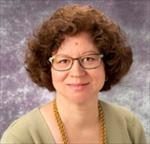
Karen Sherman, PhD, MPH
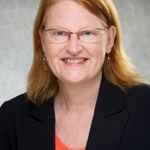
Photo of Lynn DeBar, principal investigator of PPACT
Lynn DeBar, PhD, MPH

BackInAction is conducting a three-arm pragmatic trial of older adults who have chronic low back pain to evaluate acupuncture versus usual care. The study will compare a standard 12-week course of acupuncture, an enhanced course of acupuncture (12-week standard course, plus 12-week maintenance course), and usual care to assess back-related function at 26 weeks.


FM TIPS: Fibromyalgia TENS in Physical Therapy Study

Kathleen Sluka, PT, PhD
Leslie Crofford, MD

The aim of FM TIPS is to demonstrate the feasibility of adding transcutaneous electrical nerve stimulation (TENS) to the treatment of patients with fibromyalgia in a real-world physical therapy setting, and to determine if adding TENS to physical therapy reduces pain, increases adherence to physical therapy, and allows patients with fibromyalgia to reach their specific functional goals with less medication use.


NOHARM: Nonpharmacologic Options in Postoperative Hospital-based and Rehabilitation Pain Management

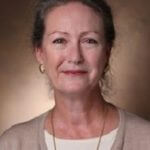
Photo of Andrea Cheville, co–principal investigator of NOHARM
Andrea Cheville, MD
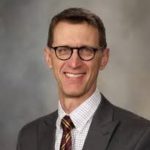
Jon Tilburt, MD

NOHARM is a stepped-wedge cluster-randomized trial that is testing a sustainable system-wide strategy for perioperative pain management using nonpharmacologic options in a manner that preserves patient function, honors patient values, and maintains availability of opioids as a last resort.


OPTIMUM: Group-based Mindfulness for Patients with Chronic Low Back Pain in the Primary Care Setting

Natalia Morone, MD

OPTIMUM aims to evaluate the impact of an innovative, group-based mindfulness program for patients with chronic low back pain in a real-life clinical setting. Mindfulness is effective for the treatment of chronic low back pain, yet remains underutilized as it has not been regularly woven into the outpatient clinical setting.


The PRISM program (Pragmatic and Implementation Studies for the Management of Pain to Reduce Opioid Prescribing) is a component of the NIH’s Helping to End Addiction Long-term (HEAL) Initiative. The NIH Collaboratory serves as the PRISM Resource Coordinating Center and is supported by the National Center for Complementary and Integrative Health. Support is also provided by the NIH Common Fund through a cooperative agreement from the Office of Strategic Coordination within the Office of the NIH Director.

August 12, 2020: Lessons From NOHARM’s First Year Will Be Featured in NIH Collaboratory Grand Rounds

Photo of Dr. Jon Tilburt, co–principal investigator of the NOHARM trialThe co–principal investigators of the Nonpharmacologic Options in Postoperative Hospital-Based and Rehabilitation Pain Management (NOHARM) trial, an NIH Collaboratory Trial, will be featured in the next session of NIH Collaboratory Grand Rounds on August 14. The project is 1 of 4 NIH Collaboratory Trials funded through the NIH HEAL Initiative’s Pragmatic and Implementation Studies for the Management of Pain to Reduce Opioid Prescribing (PRISM) program.

Photo of Dr. Andrea Cheville, co–principal investigator of the NOHARM trialDrs. Jon Tilburt and Andrea Cheville of the Mayo Clinic will present “Learning While Sprinting: A One-Year Retrospective From the NOHARM Pragmatic Trial.” The Grand Rounds session will be held on Friday, August 14, at 1:00 pm eastern. Join the online meeting.

NOHARM will test a patient- and clinician-facing clinical decision support tool embedded in the electronic health record in 4 healthcare systems. Such tools can be useful in encouraging patient-centered, guideline-concordant care, but pragmatic strategies have not been tested pragmatically in postoperative pain care.

NOHARM is supported by the NIH through the NIH HEAL Initiative under an award from the National Institute on Aging.

Grand Rounds August 14: Learning While Sprinting: A One-Year Retrospective from the NOHARM Pragmatic Trial

Speakers:

Jon Tilburt, MD
Professor of Medicine and Biomedical Ethics
Mayo Clinic

Andrea Cheville, MD
Professor of Physical Medicine and Rehabilitation
Mayo Clinic

Topic: Learning While Sprinting: A One-Year Retrospective from the NOHARM Pragmatic Trial
Date: Friday, August 14, 2020, 1:00-2:00 p.m. ET

Meeting Info: To check whether you have the appropriate players installed for UCF (Universal Communications Format) rich media files, go to https://dukemed.webex.com/dukemed/systemdiagnosis.php.

To join the online meeting:
Go to https://dukemed.webex.com/dukemed/j.php?MTID=m7516d59dab184670d6fc892b1955b4eb

You must log in to the URL first.
Click ‘Audio Conference’
Choose ‘I will call in’, select the Toll number.
Dial in using the information from the dialog box that appears.
Be certain to use the Access Code AND the Attendee ID.

Troubleshooting:
If the URL above does not work, go to dukemed.webex.com and enter:
Meeting Number: 730 486 227
Meeting Password: 1234

For Audio ONLY:
Call-in toll number (US/Canada): 1-650-479-3207
Access code: 730 486 227

NOTE: For Toll-free users, the call-back (call me) services are also available.

July 22, 2020: FM TIPS NIH Collaboratory Trial Will Be Featured During NIH Collaboratory Grand Rounds

A co–principal investigator of the Fibromyalgia TENS in Physical Therapy Study (FM TIPS), an NIH Collaboratory Trial supported by the NIH HEAL Initiative, will be featured in the next session of NIH Collaboratory Grand Rounds on July 24. The project is the first of the NIH Collaboratory Trials funded through the Pragmatic and Implementation Studies for the Management of Pain to Reduce Opioid Prescribing (PRISM) program to be featured in Grand Rounds.

Dr. Leslie Crofford of Vanderbilt University will present “TENS in Fibromyalgia: From Fundamental Neurobiology to Pragmatic Trial.” The Grand Rounds session will be held on Friday, July 24, at 1:00 pm eastern. Join the online meeting.

FM TIPS will use a cluster randomized trial design to assess the feasibility of using transcutaneous electrical nerve stimulation (TENS) in addition to physical therapy for the treatment of fibromyalgia. The study will also determine whether the use of TENS improves symptoms of fibromyalgia, increases adherence to physical therapy and the likelihood of meeting therapeutic goals, and reduces medication use. FM TIPS is currently in the planning phase, which involves recruiting physical therapy sites into the embedded pragmatic clinical trial, understanding usual practice to inform trial processes, and ensuring the adequacy of trial infrastructure.

FM TIPS is supported by the NIH through the NIH HEAL Initiative under an award from the National Institute of Arthritis and Musculoskeletal and Skin Diseases.

June 4, 2020: New Chapter in the Living Textbook Describes the Uses and How-tos of Patient-Reported Outcomes

A new chapter in the Living Textbook describes how patient-reported outcomes (PROs) are used in different settings and how to choose and integrate PRO measures into an embedded pragmatic clinical trial.

The chapter also characterizes PRO use within the PRISM program (Pragmatic and Implementation Studies for the Management of Pain to Reduce Opioid Prescribing) of the NIH HEAL Initiative (Helping End Addiction Long-term Initiative). NIH Collaboratory Trials supported through the PRISM program include:

AcuOA: Pragmatic Trial of Acupuncture for Chronic Low Back Pain in Older Adults

FM TIPS: Fibromyalgia TENS in Physical Therapy Study
NOHARM: Non-pharmacological Options in Postoperative Hospital-Based and Rehabilitation Pain Management
OPTIMUM: Group-based mindfulness for patients with chronic low back pain in the primary care setting

The main topics of the chapter are:

The authors also include Core Outcome Sets for chronic pain, low back pain, musculoskeletal pain, and cancer.

April 9, 2020: Biostatistics Core Brings Experience to PRISM Challenges: An Interview With Dr. Patrick Heagerty and Dr. Liz Turner

The NIH Collaboratory’s Biostatistics and Study Design Core Working Group supports the Demonstration Projects by offering guidance on their statistical plans and study designs during the planning phase and documenting new statistical and methodological issues that arise during planning and implementation.

At the NIH Collaboratory PRISM kickoff meeting in November, we spoke with the leaders of the Biostatistics and Study Design Core, Dr. Patrick Heagerty and Dr. Liz Turner, to learn more about how the Core is supporting the new PRISM Demonstration Projects.

“Conducting these studies in living health systems is fraught with challenges and opportunities—things changing in the healthcare system that will affect a planned design that’s no longer possible to conduct, and building partnerships with the systems so that it’s possible to flexibly react in terms of the study design along the way,” said Dr. Turner. “We’ll be there to help support [the PRISM projects] and identify some of those challenges,” she said.

The new Demonstration Projects are part of the PRISM program (Pragmatic and Implementation Studies for the Management of Pain to Reduce Opioid Prescribing), a component of the NIH’s Helping to End Addiction Long-term (HEAL) Initiative. The NIH Collaboratory serves as the PRISM Resource Coordinating Center.

“The Core group meetings bring all these amazing minds together in one spot to listen: What are we hearing that specific projects are thinking about or wrestling with?” said Dr. Heagerty. “What are ideas that we can bring to solve it? And what are new questions that we need to dig a little deeper and learn more about?” he said.

Learn more about the PRISM Demonstration Projects:

  • AcuOA: Pragmatic Trial of Acupuncture for Chronic Low Back Pain in Older Adults
  • FM TIPS: Fibromyalgia TENS in Physical Therapy Study
  • NOHARM: Non-pharmacological Options in Postoperative Hospital-Based and Rehabilitation Pain Management

  • OPTIMUM: Group-based mindfulness for patients with chronic low back pain in the primary care setting

The NIH Collaboratory PRISM Resource Coordinating Center is supported by the National Center for Complementary and Integrative Health. Support is also provided by the NIH Common Fund through a cooperative agreement from the Office of Strategic Coordination within the Office of the NIH Director.

April 2, 2020: EHR Core Seeks to Advance Routine Collection and Measurement of Pain Data: An Interview With Dr. Rachel Richesson and Dr. Keith Marsolo

The NIH Collaboratory’s Electronic Health Records (EHR) Core Working Group supports the Demonstration Projects by facilitating multisite research collaborations between investigators and data stewards and by developing tools and approaches for the secondary use of EHR data for clinical research.

We spoke with the leaders of the EHR Core, Dr. Rachel Richesson and Dr. Keith Marsolo, at the NIH Collaboratory PRISM kickoff meeting in November to learn more about how the EHR Core will support the new PRISM Demonstration Projects.

“The projects have come together to look at standard approaches for measuring pain and collecting data, and if we can move the technology and the systems in a way that can make this more routine, I think that will be a great service,” said Dr. Richesson, cochair of the EHR Core.

The new Demonstration Projects are part of the the PRISM program (Pragmatic and Implementation Studies for the Management of Pain to Reduce Opioid Prescribing), a component of the NIH’s Helping to End Addiction Long-term (HEAL) Initiative. The NIH Collaboratory serves as the PRISM Resource Coordinating Center.

Learn more about the PRISM Demonstration Projects:

  • AcuOA: Pragmatic Trial of Acupuncture for Chronic Low Back Pain in Older Adults
  • FM TIPS: Fibromyalgia TENS in Physical Therapy Study
  • NOHARM: Non-pharmacological Options in Postoperative Hospital-Based and Rehabilitation Pain Management
  • OPTIMUM: Group-based mindfulness for patients with chronic low back pain in the primary care setting

The NIH Collaboratory PRISM Resource Coordinating Center is supported by the National Center for Complementary and Integrative Health. Support is also provided by the NIH Common Fund through a cooperative agreement from the Office of Strategic Coordination within the Office of the NIH Director.

March 16, 2020: New Video Interviews Highlight NIH Collaboratory Data and Resource Sharing

Recently, the NIH Collaboratory Coordinating Center conducted a video interview with Drs. Wendy Weber, Cathy Meyers, and Lesley Curtis to discuss the NIH Collaboratory Data Sharing Policy, including special requirements for the NIH Helping to End Addiction Long-term (HEAL) Initiative projects, and tips for sharing data and resources.

“For all the Demonstration Projects, primary data sets should be made available with the publication of the primary results paper. The Collaboratory policy also recognizes that there are additional considerations that must be incorporated into the policy because data sets are derived from the electronic health records of partnering healthcare systems, and additional precautions might be relevant to making these data sets available.” —Cathy Meyers, MD

The PRISM (Pragmatic and Implementation Studies for the Management of Pain to Reduce Opioid Prescribing) Demonstration Projects are part of the HEAL Initiative to address the national opioid crisis. The special requirements for these pragmatic trials include:

  • All publications must be open access so the public has immediate access to the results of the trials.
  • The underlying primary data must be shared through a repository, which will be set up for all of the projects funded through the HEAL Initiative.

To support sharing, the NIH Collaboratory Data and Resource Sharing Page on the Living Textbook holds links to datasets and data dictionaries, study tools, ethics and regulatory documentation, computable phenotypes and analytic code, data collection forms, study design papers, main outcomes papers, and other information from the Demonstration Projects that might be useful to others.

Demonstration Projects are given a Data and Resource Sharing Informational Document and an Onboarding Data and Resource Sharing Questionnaire during the onboarding process to assist clinical investigators in planning early for the sharing of these resources,. At closeout, Demonstration Projects are provided a Closeout Data and Resource Sharing Checklist, and investigators from the completed projects use this checklist to provide a final data sharing package.

March 9, 2020: AcuOA to Inform Medicare Coverage Decisions on Acupuncture: An Interview With Dr. Karen Sherman and Dr. Lynn Debar

Evidence supporting the safety and effectiveness of treatments for chronic low back pain in older adults is lacking. Although acupuncture is known to be effective in younger adults, clinical trials of acupuncture have rarely included older adults, a population with greater comorbidity and different healthcare needs.

The Pragmatic Trial of Acupuncture for Chronic Low Back Pain in Older Adults (AcuOA), a new NIH Collaboratory Demonstration Project, will address this evidence gap by comparing acupuncture with usual care in a population of older adults with chronic low back pain. We spoke with co–principal investigators Dr. Karen Sherman and Dr. Lynn DeBar about the study at the NIH Collaboratory PRISM kickoff meeting in November.

“In an efficacy trial, you would sort out people—they would have to be healthy enough, they maybe wouldn’t have any comorbidities—and they’d get a specified course of treatment, everything would be dictated,” said Dr. Sherman. “But with older adults,” she explained, “most of the individuals would not be eligible for that kind of trial. So a pragmatic trial allows us to ask questions that are valuable to the population.”

Dr. DeBar added, “We’re really interested in how this plays out across different kinds of healthcare systems. We’re looking at this across varied delivery systems with a hope that what we find is very generalizable.”

Another aim of AcuOA is to conduct a cost-effectiveness analysis of the study’s acupuncture interventions. The study team will also conduct qualitative evaluations to describe barriers to and facilitators of the adoption, implementation, and sustainability of acupuncture treatment for older adults.

“Another interesting piece of this is that this is also for [the Centers for Medicare & Medicaid Services] to evaluate whether acupuncture will be one of the covered services under Medicare,” added Dr. DeBar. “So we will be working in some partnership with them on that,” she said.

The AcuOA trial is a project of the PRISM program (Pragmatic and Implementation Studies for the Management of Pain to Reduce Opioid Prescribing), part of the NIH’s Helping to End Addiction Long-term (HEAL) Initiative. The NIH Collaboratory serves as the PRISM Resource Coordinating Center.

“The Collaboratory has a great deal of experience doing all kinds of things, and they also seem to be quite interested in new challenges and the idea that we’re going to be giving them some new challenges,” said Dr. Sherman. “We hope to learn more about pragmatic clinical trials and moving the methodology forward,” she said.

Dr. DeBar added, “It’s also really exciting that there are 4 of these [new Demonstration Projects] that are focused on similar populations of patients, a lot of non-pharmacotherapy treatment. So, while we’re the only ones focusing exclusively on acupuncture, I think we have a lot of synergies and a lot of ability to learn from one another.”

AcOA and the NIH Collaboratory PRISM Resource Coordinating Center are supported by the National Center for Complementary and Integrative Health. Support is also provided by the NIH Common Fund through a cooperative agreement from the Office of Strategic Coordination within the Office of the NIH Director.

March 5, 2020: NOHARM to Test EHR-Embedded Clinical Decision Support for Postoperative Pain Care: An Interview With Dr. Andrea Cheville

Prescriptions for narcotic pain relief after surgery often lead to unintended prolonged opioid use. Nonpharmacologic approaches are effective and are recommended by clinical guidelines for postoperative pain but are rarely used as first-line or second-line therapy.

The Nonpharmacologic Options in Postoperative Hospital-based and Rehabilitation Pain Management (NOHARM) pragmatic trial, a new NIH Collaboratory Demonstration Project, will test a clinical decision support tool embedded in the electronic health record in 4 healthcare systems. We spoke with co–principal investigator Dr. Andrea Cheville about NOHARM at the NIH Collaboratory PRISM kickoff meeting in November.

“There are millions of surgeries performed every year in the United States, and many patients experience significant pain and loss of function afterwards,” explained Dr. Cheville. “Our hope is to introduce and increase the reliance on nonpharmacologic pain care, which is very safe and as or more effective than most of our medical pain-relieving strategies…to make that a more consistent and credible option for our patients and our clinicians,” she said.

Clinical decision support tools embedded in the electronic health record can be useful in encouraging patient-centered, guideline concordant care, but pragmatic strategies have not been tested pragmatically in postoperative pain care.

“We’re trying to target many, many points along well-established workflow. It would be very challenging in a conventional clinical trial paradigm to really test an intervention,” said Dr. Cheville.

The NOHARM trial is a project of the PRISM program (Pragmatic and Implementation Studies for the Management of Pain to Reduce Opioid Prescribing), part of the NIH’s Helping to End Addiction Long-term (HEAL) Initiative. The NIH Collaboratory serves as the PRISM Resource Coordinating Center.

Dr. Cheville reflected on the exciting opportunity to participate the Collaboratory. “We are very excited to bring our novel use of the electronic health record as a critical and central intervention component and to bring that approach to the Collaboratory so we can both teach and learn as we move forward in this trial,” she said.

NOHARM is supported by the National Institute on Aging. The NIH Collaboratory PRISM Resource Coordinating Center is supported by the National Center for Complementary and Integrative Medicine. Support is also provided by the NIH Common Fund through a cooperative agreement from the Office of Strategic Coordination within the Office of the NIH Director.