February 8, 2021: Meeting Minutes are Available from the Ethics and Regulatory Core Discussions with the PRISM NIH Collaboratory Trials

Meeting minutes, supplementary materials, and updates are available that summarize recent discussions related to the ethics and regulatory issues associated with the six PRISM NIH Collaboratory Trials:

These discussions, which took place by teleconference, included representation from study principal investigators and study teams, members of the NIH Collaboratory Ethics and Regulatory Core, NIH staff, and NIH Collaboratory Coordinating Center personnel as well as some IRBs responsible for oversight of the projects.

October 6, 2020: Four PRISM NIH Collaboratory Trials Awarded Continuation From Planning to Implementation Phase

The NIH Collaboratory is pleased to announce that the four PRISM NIH Collaboratory Trials received approval to transition from the planning phase to the implementation phase of their studies. These embedded PCTs (ePCTs) are directly addressing the U.S. opioid crisis and exploring fundamental questions of pain management using nonpharmacologic treatments.

Congratulations to the PIs and study teams for their excellent work!


BackInAction: Pragmatic Trial of Acupuncture for Chronic Low Back Pain in Older Adults

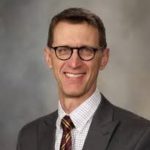
Karen Sherman, PhD, MPH
Photo of Lynn DeBar, principal investigator of PPACT
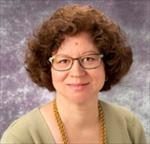
Lynn DeBar, PhD, MPH

BackInAction is conducting a three-arm pragmatic trial of older adults who have chronic low back pain to evaluate acupuncture versus usual care. The study will compare a standard 12-week course of acupuncture, an enhanced course of acupuncture (12-week standard course, plus 12-week maintenance course), and usual care to assess back-related function at 26 weeks.


FM TIPS: Fibromyalgia TENS in Physical Therapy Study

Kathleen Sluka, PT, PhD
Leslie Crofford, MD

The aim of FM TIPS is to demonstrate the feasibility of adding transcutaneous electrical nerve stimulation (TENS) to the treatment of patients with fibromyalgia in a real-world physical therapy setting, and to determine if adding TENS to physical therapy reduces pain, increases adherence to physical therapy, and allows patients with fibromyalgia to reach their specific functional goals with less medication use.


NOHARM: Nonpharmacologic Options in Postoperative Hospital-based and Rehabilitation Pain Management

Photo of Andrea Cheville, co–principal investigator of NOHARM
Andrea Cheville, MD
Jon Tilburt, MD

NOHARM is a stepped-wedge cluster-randomized trial that is testing a sustainable system-wide strategy for perioperative pain management using nonpharmacologic options in a manner that preserves patient function, honors patient values, and maintains availability of opioids as a last resort.


OPTIMUM: Group-based Mindfulness for Patients with Chronic Low Back Pain in the Primary Care Setting

Natalia Morone, MD

OPTIMUM aims to evaluate the impact of an innovative, group-based mindfulness program for patients with chronic low back pain in a real-life clinical setting. Mindfulness is effective for the treatment of chronic low back pain, yet remains underutilized as it has not been regularly woven into the outpatient clinical setting.


The PRISM program (Pragmatic and Implementation Studies for the Management of Pain to Reduce Opioid Prescribing) is a component of the NIH’s Helping to End Addiction Long-term (HEAL) Initiative. The NIH Collaboratory serves as the PRISM Resource Coordinating Center and is supported by the National Center for Complementary and Integrative Health. Support is also provided by the NIH Common Fund through a cooperative agreement from the Office of Strategic Coordination within the Office of the NIH Director.

June 4, 2020: New Chapter in the Living Textbook Describes the Uses and How-tos of Patient-Reported Outcomes

A new chapter in the Living Textbook describes how patient-reported outcomes (PROs) are used in different settings and how to choose and integrate PRO measures into an embedded pragmatic clinical trial.

The chapter also characterizes PRO use within the PRISM program (Pragmatic and Implementation Studies for the Management of Pain to Reduce Opioid Prescribing) of the NIH HEAL Initiative (Helping End Addiction Long-term Initiative). NIH Collaboratory Trials supported through the PRISM program include:

AcuOA: Pragmatic Trial of Acupuncture for Chronic Low Back Pain in Older Adults
FM TIPS: Fibromyalgia TENS in Physical Therapy Study
NOHARM: Non-pharmacological Options in Postoperative Hospital-Based and Rehabilitation Pain Management
OPTIMUM: Group-based mindfulness for patients with chronic low back pain in the primary care setting

The main topics of the chapter are:

The authors also include Core Outcome Sets for chronic pain, low back pain, musculoskeletal pain, and cancer.

March 9, 2020: AcuOA to Inform Medicare Coverage Decisions on Acupuncture: An Interview With Dr. Karen Sherman and Dr. Lynn Debar

Evidence supporting the safety and effectiveness of treatments for chronic low back pain in older adults is lacking. Although acupuncture is known to be effective in younger adults, clinical trials of acupuncture have rarely included older adults, a population with greater comorbidity and different healthcare needs.

The Pragmatic Trial of Acupuncture for Chronic Low Back Pain in Older Adults (AcuOA), a new NIH Collaboratory Demonstration Project, will address this evidence gap by comparing acupuncture with usual care in a population of older adults with chronic low back pain. We spoke with co–principal investigators Dr. Karen Sherman and Dr. Lynn DeBar about the study at the NIH Collaboratory PRISM kickoff meeting in November.

“In an efficacy trial, you would sort out people—they would have to be healthy enough, they maybe wouldn’t have any comorbidities—and they’d get a specified course of treatment, everything would be dictated,” said Dr. Sherman. “But with older adults,” she explained, “most of the individuals would not be eligible for that kind of trial. So a pragmatic trial allows us to ask questions that are valuable to the population.”

Dr. DeBar added, “We’re really interested in how this plays out across different kinds of healthcare systems. We’re looking at this across varied delivery systems with a hope that what we find is very generalizable.”

Another aim of AcuOA is to conduct a cost-effectiveness analysis of the study’s acupuncture interventions. The study team will also conduct qualitative evaluations to describe barriers to and facilitators of the adoption, implementation, and sustainability of acupuncture treatment for older adults.

“Another interesting piece of this is that this is also for [the Centers for Medicare & Medicaid Services] to evaluate whether acupuncture will be one of the covered services under Medicare,” added Dr. DeBar. “So we will be working in some partnership with them on that,” she said.

The AcuOA trial is a project of the PRISM program (Pragmatic and Implementation Studies for the Management of Pain to Reduce Opioid Prescribing), part of the NIH’s Helping to End Addiction Long-term (HEAL) Initiative. The NIH Collaboratory serves as the PRISM Resource Coordinating Center.

“The Collaboratory has a great deal of experience doing all kinds of things, and they also seem to be quite interested in new challenges and the idea that we’re going to be giving them some new challenges,” said Dr. Sherman. “We hope to learn more about pragmatic clinical trials and moving the methodology forward,” she said.

Dr. DeBar added, “It’s also really exciting that there are 4 of these [new Demonstration Projects] that are focused on similar populations of patients, a lot of non-pharmacotherapy treatment. So, while we’re the only ones focusing exclusively on acupuncture, I think we have a lot of synergies and a lot of ability to learn from one another.”

AcOA and the NIH Collaboratory PRISM Resource Coordinating Center are supported by the National Center for Complementary and Integrative Health. Support is also provided by the NIH Common Fund through a cooperative agreement from the Office of Strategic Coordination within the Office of the NIH Director.

November 26, 2019: PRISM Kickoff Meeting Welcomes New NIH Collaboratory Trials to NIH Collaboratory

The NIH Collaboratory welcomed 4 new NIH Collaboratory Trial teams last week during a kickoff meeting in Bethesda, Maryland. These pragmatic clinical trials embedded in healthcare systems are funded through the Pragmatic and Implementation Studies for the Management of Pain to Reduce Opioid Prescribing (PRISM) program, a component of the NIH HEAL Initiative to address the opioid crisis.

PRISM NIH Collaboratory Trial Investigators
Left to right: Kathleen Sluka, PT, PhD (FM TIPS); Andrea Cheville, MD (NOHARM); Karen Sherman, PhD, MPH (AcuOA); Jon Tilburt, MD (NOHARM); Lynn DeBar, PhD, MPH (AcuOA); Leslie Crofford, MD (FM TIPS); and Natalia Morone, MD (OPTIMUM).

In its recently announced role as the PRISM Resource Coordinating Center, the NIH Collaboratory Coordinating Center will provide technical support and pragmatic trial expertise for the new NIH Collaboratory Trials. The projects address a range of questions related to pain management and opioid prescribing. They include:

  • AcuOA: Pragmatic Trial of Acupuncture for Chronic Low Back Pain in Older Adults
  • FM TIPS: Fibromyalgia TENS in Physical Therapy Study
  • NOHARM: Non-pharmacological Options in Postoperative Hospital-Based and Rehabilitation Pain Management
  • OPTIMUM: Group-based mindfulness for patients with chronic low back pain in the primary care setting

Attendees of the PRISM kickoff meeting included the NIH Collaboratory Trial teams, NIH Collaboratory leadership and Coordinating Center faculty and staff, and representatives of several NIH Institutes, Centers, and Offices. The NIH Collaboratory Trial teams presented their studies to the full group for discussion. They then participated in individual breakout sessions with the Core Working Groups to discuss anticipated challenges in design, implementation, analysis, and dissemination.