The NIH Collaboratory Coordinating Center is using its popular Grand Rounds platform to share late-breaking research and promote resources in support of clinical researchers affected by the COVID-19 public health emergency.
For previous COVID-19 Grand Rounds, and more news and resources related to the COVID-19 public health emergency, see the COVID-19 Resources page.
In this week’s COVID-19 Grand Rounds session, Dr. Gregory Marcus of the University of California, San Francisco, will present “The COVID-19 Citizen Science Study.” The Grand Rounds session will be held on Friday, January 29, at 1:00 pm eastern. Join the online meeting.
The Citizen Science Study is using a smartphone-based research platform to engage “citizen scientists” in advancing understanding of COVID-19. By collecting information from tens of thousands of participants, researchers hope to gain insights into how the coronavirus is spreading, identify ways to reduce the number of new infections, and determine how COVID-19 is affecting individuals and populations.
The NIH Collaboratory Coordinating Center is using its popular Grand Rounds platform to share late-breaking research and promote resources in support of clinical researchers affected by the COVID-19 public health emergency.
For previous COVID-19 Grand Rounds, and more news and resources related to the COVID-19 public health emergency, see the COVID-19 Resources page.
The NIH Collaboratory Coordinating Center is using its popular Grand Rounds platform to share late-breaking research and promote resources in support of clinical researchers affected by the COVID-19 public health emergency.
For previous COVID-19 Grand Rounds, and more news and resources related to the COVID-19 public health emergency, see the COVID-19 Resources page.
HERO-Together is a long-term safety study of the COVID-19 vaccine developed by Pfizer and BioNTech. In the study, the Duke Clinical Research Institute (DCRI) and Verily, with funding from Pfizer, are using the HERO Registry to gain long-term insights about the vaccine by following vaccinated healthcare workers for 2 years to assess their experiences after receiving the vaccine.
The NIH Collaboratory Coordinating Center is using its popular Grand Rounds platform to share late-breaking research and promote resources in support of clinical researchers affected by the COVID-19 public health emergency.
For previous COVID-19 Grand Rounds, and more news and resources related to the COVID-19 public health emergency, see the COVID-19 Resources page.
The NIH Collaboratory Coordinating Center is using its popular Grand Rounds platform to share late-breaking research and promote resources in support of clinical researchers affected by the COVID-19 public health emergency.
For previous COVID-19 Grand Rounds, and more news and resources related to the COVID-19 public health emergency, see the COVID-19 Resources page.
The ABC Science Collaborative is a program of the Duke University School of Medicine and the University of North Carolina School of Medicine that “pairs scientists and physicians with school and community leaders to help them understand the most current and relevant data about COVID-19 so they may make decisions that will keep teachers, staff, and children safe if and when they return to the classroom.”
The NIH Collaboratory Coordinating Center is using its popular Grand Rounds platform to share late-breaking research and promote resources in support of clinical researchers affected by the COVID-19 public health emergency.
High serum phosphate is a ubiquitous complication in end-stage renal disease (ESRD), a serious illness that affects ~500,000 people in the United States. However, evidence is lacking for the best approach to reducing high phosphate that benefits survival in patients.
The hemodialysis setting is ideal for conducting a pragmatic trial because of an accessible study population, frequent clinical encounters, granular and uniform data collection via electronic health record (EHR), and the many unanswered questions about major aspects of dialysis care.
Pragmatic features of HiLo include:
Real-world setting
Cluster randomization
Broad entry criteria
Electronic informed consent
No traditional on-site study staff
Remote site monitoring
Outcomes based on EHR with no adjudication
Discussion Themes
The HiLo Ambassadors, a patient advisory group, have contributed to HiLo study materials including the protocol, informed consent form, eConsent script, informational videos, FAQs, flyer, and website content. They are providing strategies to help patients successfully participate and stay in the trial.
Dieticians are critical to the success of HiLo as they directly interact with dialysis patients and are among the most motivated caregivers on dialysis teams.
The onset of the COVID-19 pandemic came after the first week of HiLo site activation, causing a pause of trial activities and enrollment at the dialysis facilities.
What will success look like for the HiLo trial? A clear, proven answer to the question of higher versus lower target.
The principal investigator of HiLo, an NIH Collaboratory Trial, will report on the study’s progress in the next session of PCT Grand Rounds on October 9. HiLo is a pragmatic clinical trial of higher vs lower serum phosphate targets in patients undergoing hemodialysis. The project entered the implementation phase last fall.
The Grand Rounds session will be held on Friday, October 2, at 1:00 pm eastern. Join the online meeting.
Since 2010, PCORI has funded more than $2 billion in research to help patients, caregivers, and clinicians make informed healthcare decisions and to improve healthcare delivery and outcomes.


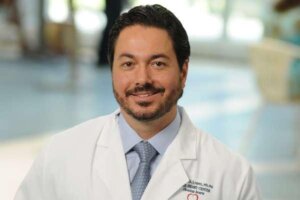 In this week’s COVID-19 Grand Rounds session, Dr. Renato Lopes of Duke University and the Brazilian Clinical Research Institute, will present “Generating High-Quality Evidence During a Pandemic: The Brazilian COALITION Experience.” The Grand Rounds session will be held on Friday, February 5, at 1:00 pm eastern. Join the online meeting.
 In this week’s COVID-19 Grand Rounds session, Dr. Gregory Marcus of the University of California, San Francisco, will present
 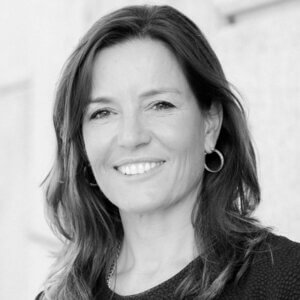 In this week’s COVID-19 Grand Rounds session, Dr. Pamela Tenaerts of the Clinical Trials Transformation Initiative will present
  In this week’s COVID-19 Grand Rounds session, Dr. Emily O’Brien of Duke University will present
  In this week’s COVID-19 Grand Rounds session, Dr. David Boulware of the University of Minnesota will present
  The principal investigator of HiLo, an NIH Collaboratory Trial, will report on the study’s progress in the next session of PCT Grand Rounds on October 9. HiLo is a pragmatic clinical trial of higher vs lower serum phosphate targets in patients undergoing hemodialysis. The project entered the implementation phase last fall.
 Dr. Nakela Cook, executive director of the Patient-Centered Outcomes Research Institute (PCORI), will present