February 5, 2021: Generating High-Quality Evidence During a Pandemic: The Brazilian COALITION Experience (Renato Lopes, MD, MHS, PhD)

Speaker

Renato D. Lopes, MD, MHS, PhD
Professor of Medicine
Division of Cardiology
Duke University Medical Center
Duke Clinical Research Institute
Brazilian Clinical Research Institute

Topic

Generating High-Quality Evidence During a Pandemic: The Brazilian COALITION Experience

Keywords

COVID-19; Patient outcomes; Cardiology; Randomized clinical trials; COALITION; Levels of evidence

Key Points

  • The SARS-CoV-2 infection affects the cardiovascular system and is associated with complications such as myocardial ischemia, myocarditis, arrhythmias, and thromboembolic events. These manifestations result mainly from the intense systemic inflammatory response and disorders of the coagulation system. 
  • The COALITION collaborative includes several major Brazilian hospitals and research networks with the aim of accelerating multicenter randomized controlled trials that generate high-quality evidence to guide the treatment of patients with COVID-19.
  • To move toward a world in which most clinical decisions are supported by high-quality evidence requires structural changes in the clinical trials ecosystem.

Discussion Themes

How did you overcome contractual and regulatory concerns to execute your trials?

Instead of “publish or perish,” it should be “collaborate or perish.” Collaboration is the key to surviving in modern academic medicine.

Read more about the need for high-quality evidence to treat COVID-19 patients in Anticoagulation in COVID-19: It Is Time for High-Quality Evidence (J Am Coll Cardiol, 2020)

Tags

#pctGR, @Collaboratory1
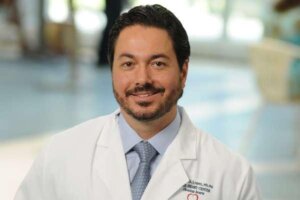
January 29, 2021: The COVID-19 Citizen Science Study (Gregory M. Marcus, MD, MAS)

Speaker

Gregory M. Marcus, MD, MAS
Professor of Medicine
University of California, San Francisco

Topic

The COVID-19 Citizen Science Study

Keywords

Eureka digital research platform; COVID-19 infections; Mobile health; Risk factors; Citizen science; Geolocation; Participant engagement

Key Points

  • Eureka is an NIH-supported digital research platform built to use mobile health technology to combat the novel coronavirus, focusing on identifying risk factors for infection, transmission, and severity of disease that may inform best practices.
  • Eureka is also intended to serve as a platform for collaborating investigators to answer their own research questions.
  • As a citizen science project, any adult with a smartphone can participate and contribute information. Nearly 50,000 participants have enrolled to date.

Discussion Themes

The COVID-19 Citizen Science website provides data visualizations that show how people answered the survey questions. A study blog through the app is used to translate key information to participants.

Will this project be collaborating with other entities that are potentially overlapping in terms of their COVID-19 applications?

Best practices in mHealth include keeping it simple, avoiding over-explaining, listening to participants, and providing a feedback pathway.

Learn more about the Eureka platform. The smartphone app is available under the name “UCSF Eureka Research.”

Tags

#pctGR, @Collaboratory1  

February 2, 2021: NIH Collaboratory COVID-19 Grand Rounds Continues With the Brazilian COALITION Experience

Dr. Renato LopesIn this week’s COVID-19 Grand Rounds session, Dr. Renato Lopes of Duke University and the Brazilian Clinical Research Institute, will present “Generating High-Quality Evidence During a Pandemic: The Brazilian COALITION Experience.” The Grand Rounds session will be held on Friday, February 5, at 1:00 pm eastern. Join the online meeting.

The NIH Collaboratory Coordinating Center is using its popular Grand Rounds platform to share late-breaking research and promote resources in support of clinical researchers affected by the COVID-19 public health emergency.

For previous COVID-19 Grand Rounds, and more news and resources related to the COVID-19 public health emergency, see the COVID-19 Resources page.

Grand Rounds March 12: Lessons Learned from the Gates MRI Virtual COVID-19 Trial

Speakers:

Mohamed Bassyouni, PharmD
Product Development Program Leader
Bill and Melinda Gates Medical Research Institute
Cambridge, MA

Jintanat Ananworanich, MD, PhD
Clinical Development Leader
Bill and Melinda Gates Medical Research Institute
Cambridge, MA

Topic: Lessons Learned from the Gates MRI Virtual COVID-19 Trial
Date: Friday, March 12, 2021, 1:00-2:00 p.m. ET

Meeting Info: To check whether you have the appropriate players installed for UCF (Universal Communications Format) rich media files, go to https://dukemed.webex.com/dukemed/systemdiagnosis.php.

To join the online meeting:
Go to https://dukemed.webex.com/dukemed/j.php?MTID=m60b64f1826bed9d8f0b16c759c4fdcb0

You must log in to the URL first.
Click ‘Audio Conference’
Choose ‘I will call in’, select the Toll number.
Dial in using the information from the dialog box that appears.
Be certain to use the Access Code AND the Attendee ID.

Troubleshooting:
If the URL above does not work, go to dukemed.webex.com and enter:
Meeting Number: 120 398 9257
Meeting Password: 1234

For Audio ONLY:
Call-in toll number (US/Canada): 1-650-479-3207
Access code: 120 398 9257

NOTE: For Toll-free users, the call-back (call me) services are also available.

January 26, 2021: NIH Collaboratory COVID-19 Grand Rounds Continues With the COVID-19 Citizen Science Study

Dr. Gregory MarcusIn this week’s COVID-19 Grand Rounds session, Dr. Gregory Marcus of the University of California, San Francisco, will present “The COVID-19 Citizen Science Study.” The Grand Rounds session will be held on Friday, January 29, at 1:00 pm eastern. Join the online meeting.

The Citizen Science Study is using a smartphone-based research platform to engage “citizen scientists” in advancing understanding of COVID-19. By collecting information from tens of thousands of participants, researchers hope to gain insights into how the coronavirus is spreading, identify ways to reduce the number of new infections, and determine how COVID-19 is affecting individuals and populations.

The NIH Collaboratory Coordinating Center is using its popular Grand Rounds platform to share late-breaking research and promote resources in support of clinical researchers affected by the COVID-19 public health emergency.

For previous COVID-19 Grand Rounds, and more news and resources related to the COVID-19 public health emergency, see the COVID-19 Resources page.

January 25, 2021: Grand Rounds Podcast with Dr. Emily O’Brien on HERO-TOGETHER is Available

In the latest episode of the NIH Collaboratory Grand Rounds podcast, Dr. Adrian Hernandez and Dr. Emily O’Brien continue the discussion about the HERO-TOGETHER initiative that aims to understand how healthcare workers do after receiving the COVID-19 vaccination. The full January 8 Grand Rounds webinar with Dr. O’Brien is also available.

Podcast January 12, 2021: HERO-TOGETHER (Emily O’Brien, PhD)

In this episode of the NIH Collaboratory Grand Rounds podcast, Dr. Adrian Hernandez speaks with Dr. Emily O’Brien of the Duke Clinical Research Institute about the HERO-TOGETHER study that is evaluating how people do over time after receiving the COVID-19 vaccine.

Click on the recording below to listen to the podcast.

Want to hear more? View the full Grand Rounds presentation.

For alerts about new episodes, subscribe free on Apple Podcasts or SoundCloud.

Read the transcript.

January 15, 2021: How CTTI & the Clinical Trials Community Have Risen to Meet the Challenge of the COVID-19 Pandemic (Pamela Tenaerts, MD, MBA; Sara Calvert, PharmD; Leanne Madre, JD, MHA)

Speakers

Pamela Tenaerts, MD, MBA
Executive Director
Clinical Trials Transformation Initiative

Sara Calvert, PharmD
Senior Project Manager
Clinical Trials Transformation Initiative

Leanne Madre, JD, MHA
Directory of Strategy
Clinical Trials Transformation Initiative

Topic

How CTTI & the Clinical Trials Community Have Risen to Meet the Challenge of the COVID-19 Pandemic

Keywords

Clinical Trials Transformation Initiative (CTTI); Best practices; COVID-19 treatment trials; RECOVERY Trial; Digital health technology; Decentralized clinical trials

Key Points

  • During 2020, CTTI conducted a series of intensive surveys, discussions, and collaborations across the clinical trials ecosystem, which shaped the creation of public webinars, a Best Practices for Conducting Trials During the COVID-19 Pandemic playbook, and a searchable, real-time AACT COVID-19 Trials Spreadsheet, among other efforts.

  • CTTI’s efforts helped the research community successfully navigate the challenges associated with adjusting trials that were underway when the pandemic hit, as well as launching new trials for COVID-19 treatments.

  • Among the best practices for conducting clinical trials during the pandemic: keep participants informed, perform ongoing risk-benefit assessment, adjust study startup and enrollment based on current risks, pivot to remote study visits, and switch to remote monitoring.

Discussion Themes

Because of the COVID-19 pandemic, there is more momentum toward digital health technology and decentralized clinical trials.

With the pandemic, we are seeing trial results go straight to practice, bypassing input from the clinical community at large—will this continue after the pandemic?

To what extent do you think the IRB/research oversight sphere might be permanently reshaped by the pandemic’s impact on the conduct of clinical trials? 

Read more about CTTI’s efforts around clinical trials during the COVID-19 pandemic.

Tags

#pctGR, @Collaboratory1

January 14, 2021: NIH Collaboratory COVID-19 Grand Rounds Continues With Clinical Trials Challenges in the COVID-19 Pandemic

Dr. Pamela TenaertsIn this week’s COVID-19 Grand Rounds session, Dr. Pamela Tenaerts of the Clinical Trials Transformation Initiative will present “How CTTI & the Clinical Trials Community Have Risen to Meet the Challenge of the COVID-19 Pandemic.” The Grand Rounds session will be held on Friday, January 15, at 1:00 pm eastern. Join the online meeting.

The NIH Collaboratory Coordinating Center is using its popular Grand Rounds platform to share late-breaking research and promote resources in support of clinical researchers affected by the COVID-19 public health emergency.

For previous COVID-19 Grand Rounds, and more news and resources related to the COVID-19 public health emergency, see the COVID-19 Resources page.

January 8, 2021: HERO-TOGETHER: Building Vaccine Confidence With Long-Term Outcomes Data (Emily O’Brien, PhD)

Speaker

Emily O’Brien, PhD
Associate Professor
Duke Clinical Research Institute
Duke University School of Medicine
Department of Population Health Sciences

Topic

HERO-TOGETHER: Building Vaccine Confidence With Long-Term Outcomes Data

Keywords

Vaccine development; COVID-19; Pandemic: Vaccine hesitancy; HERO-TOGETHER; Healthcare workers; Clinical outcomes: Observational study

Key Points

  • According to the World Health Organization, vaccine hesitancy refers to the delay in acceptance of, or refusal of, vaccines despite availability of vaccination services.

  • Vaccine hesitancy is complex and context specific, varying across time, place, and vaccines. It is influenced by factors such as complacency, convenience, and confidence. Hesitancy occurs on a continuum, from acceptance of all vaccines, to acceptance but doubt, to vaccine delayers, refusers, and deniers.

  • HERO-TOGETHER is a prospective, observational, multicenter cohort study of 20,000 adult U.S. healthcare workers who received a COVID-19 vaccine within the past 60 days. The study will collect data from participants that includes their experience with receiving the vaccine, medical history, unexpected medical care, safety events, and quality of life.

Discussion Themes

There is no universal best practice to address vaccine hesitancy in all its contexts. Locally tailored and multicomponent approaches will be needed.

How has the political environment influenced the hesitancy around receiving the COVID-19 vaccine?

What are your approaches to evaluating vaccine safety? What about safety for women during child-bearing years?

Read more about the HERO-TOGETHER study.

Tags

#pctGR, @Collaboratory1