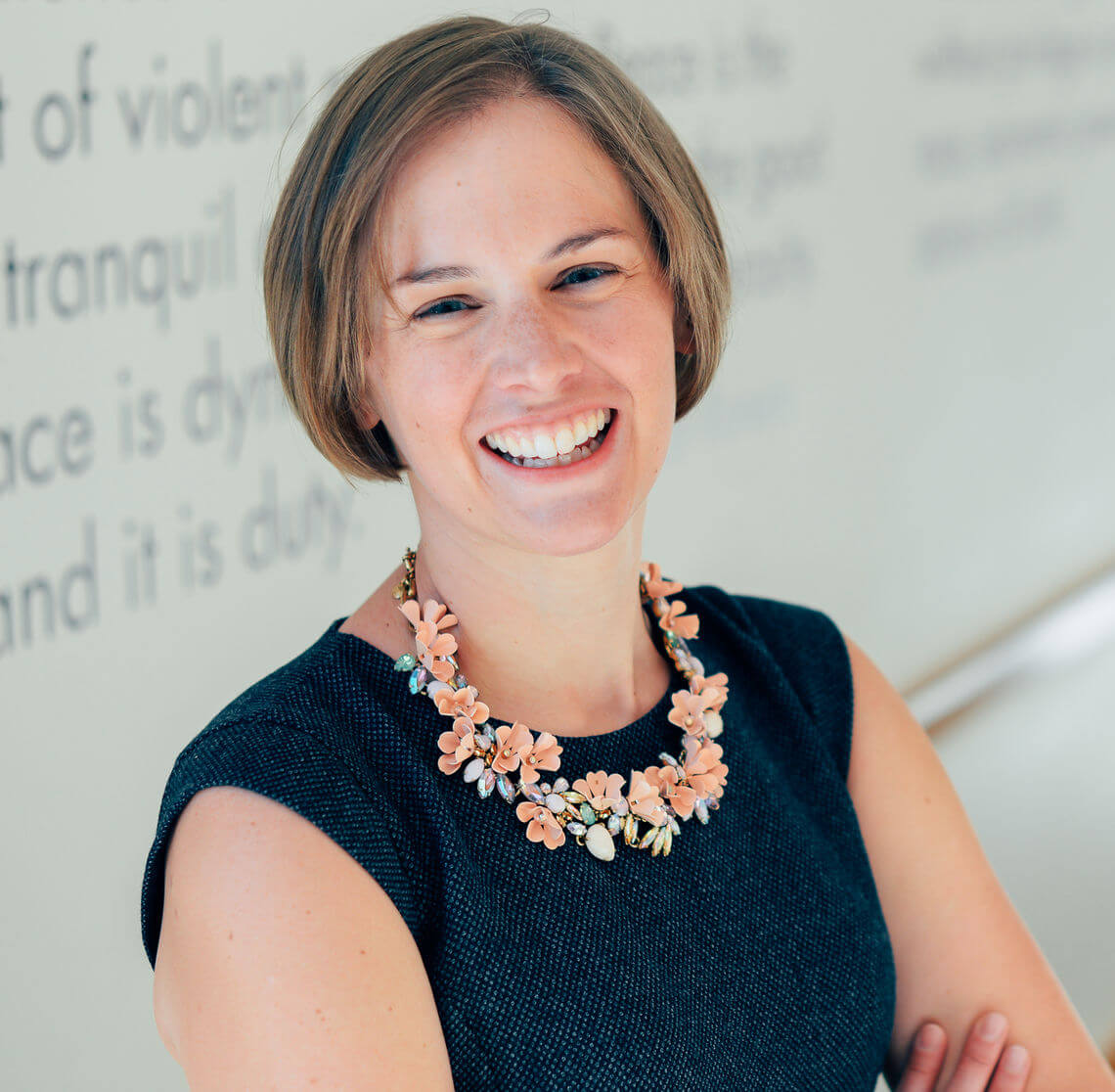
Headshot of Dr. Emily Largent

Ethical Considerations When Vulnerable Populations are Subjects in Pragmatic Trials

Ethical Considerations When Vulnerable Populations are Subjects in Pragmatic Trials

Description

This Grand Rounds presentation was part of a special series, Ethical & Regulatory Dimensions of Pragmatic Clinical Trials. Emily Largent explains that while it is ethically acceptable and imperative to enroll vulnerable subjects in research, we must also think about their vulnerability in systematic ways so that we know not only what they are vulnerable to but how we can protect them.

Speaker

Headshot of Dr. Emily LargentEmily A. Largent, JD, PhD, RN
Emanuel & Robert Hart Assistant Professor of Medical Ethics and Health Policy
Department of Medical Ethics and Health Policy
University of Pennsylvania Perelman School of Medicine


Related Content

Living Textbook: Data and Safety Monitoring

What Are the Key Factors in Using EHR Data for Endpoints and Outcomes?

What Are the Key Factors in Using EHR Data for Endpoints and Outcomes?

Description

Dr. Rachel Richesson discusses the key factors in using EHR data for endpoints and outcomes, emphasizing EHR data should be easy to collect, explicit, reproducible, and useful.

Speaker

Rachel Richesson, PhDHeadshot of Rachel Richesson
Professor of Learning Health Sciences, University of Michigan Medical School
Electronic Health Records Core Co-chair


Related

What Are the Challenges of Using Data Directly From the EHRs?

What Is A Computable Phenotype?

What Are the Benefits to Standardizing Phenotype Definition?

Using Electronic Health Record Data in Pragmatic Clinical Trials

Headshot of Dr. Julie Fritz

Reaching Rural Populations: BeatPain Utah

Reaching Rural Populations: BeatPain Utah

Description

Long-term solutions to disparities in health will involve focused partnerships and community engagement. In this video, the BeatPain Utah team shares their strategies for reaching and enrolling rural and frontier populations. Key characteristics of good partnerships are shared goals, mutual respect of expertise, and shared resources and data.

Speakers

Julie Fritz, PhD, PTHeadshot of Dr. Julie Fritz
Associate Dean for Research College of Health, School of Medicine, University of Utah
BeatPain Utah NIH Collaboratory Trial PI

David Wetter, PhD
Interim Chief, Division of Health System Innovation & Research, University of Utah

Related

Participant Recruitment

EHR-Based Outcome Measurement in the LIRE Trial

EHR-Based Outcome Measurement in the LIRE Trial

Description

In this video, Dr. Jerry Jarvik, PI of the LIRE trial, summarizes the challenges his team faced when embedding a radiology reporting intervention into the electronic health record.

Biography

Jerry Jarvik, MD, MPH
Radiologist, University of Washington Medical Center
Professor of Radiology, Neuroradiology, Health Services and Neurological Surgery, University of Washington
Adjunct Professor of Orthopedics & Sports Medicine and Pharmacy
LIRE NIH Collaboratory Trial PI

Related

Implementing and Monitoring the Delivery of an Intervention

View the full Grand Rounds video: Experiences From the Collaboratory PCTs

View the complete collection of EHR Workshop video modules.

Using Clinical Data to Advance Discovery

Using Clinical Data to Advance Discovery

Description

In this video, Dr. Josh Denny of the NIH's All of Us Research Program describes how researchers are building powerful algorithms for use across electronic health records systems to advance clinical research.

Biography

Josh Denny, MD, MS
CEO of NIH’s All of Us Research Program


Related

Interoperability

View the full Grand Rounds video: Real World Evidence: Contemporary Experience and Future Directions

View the complete collection of EHR Workshop video modules.

Community-Based Participatory Research Practices in the GRACE Trial

Community-Based Participatory Research Practices in the GRACE Trial

Description

Building trust in communities is critical for long-term partnerships between patients and researchers. In this video, Dr. Judith Schlaeger, Co-PI of the GRACE Trial, describes her team's efforts to engage patients and community-based organizations.

Biography

Headshot of Dr. Judith Schlaeger

Judith Schlaeger, PhD, CNM, LAc, FACNM, FAAN
Associate Professor, University of Illinois Chicago
GRACE NIH Collaboratory Trial co-PI


Related

Deciding Who to Engage

View the full Grand Rounds video

What Do Endpoints and Outcomes Look Like in Pragmatic Trials?

What Do Endpoints and Outcomes Look Like in Pragmatic Trials?

Description

Endpoints and outcomes are different in pragmatic trials than in explanatory trials. In pragmatic trials, outcomes and endpoints should be meaningful to key stakeholders, easy to collect, and relying on routinely collected data. In explanatory trials, researchers are often looking at short-term surrogates or process measures and data are collected outside of the realm of routine care.

Speaker

Devon Check, PhD

Devon Check, PhD
Assistant Professor, Population Health Sciences
Duke University School of Medicine
Implementation Science Core Co-Chair


Related

What Are Endpoints And Outcomes?

How Do Data Sources Inform the Choice of Endpoints and Outcomes in Pragmatic Trials?

How Do Data Sources inform the Choice of Endpoints and Outcomes in Pragmatic Trials?

How Do Data Sources inform the Choice of Endpoints and Outcomes in Pragmatic Trials?

Description

Pragmatic clinical trials are often dealing with multiple sources of data from more than one health system, EHRs, and multiple payers claims databases. It can be a balancing act in terms of measurement and pragmatism. While patient-reported outcomes are more expensive, and less efficient, they are often the most salient outcomes from a stakeholder perspective, and therefore, important to collect in pragmatic clinical trials.

Speaker

Devon Check, PhD

Devon Check, PhD
Assistant Professor, Population Health Sciences
Duke University School of Medicine
Implementation Science Core Co-Chair


Related

What Are Endpoints And Outcomes?

What Do Endpoints And Outcomes Look Like in Pragmatic Trials?

Ethical Considerations for Data Sharing in Pragmatic Trials

Ethical Considerations for Data Sharing in Pragmatic Trials

Description

Dr. Stephanie Morain of Johns Hopkins University discusses a supplemental grant award to the NIH Pragmatic Trials Collaboratory Coordinating Center to study the ethical issues that arise in data sharing in the context of pragmatic trials.

Biography

Stephanie Morain, PhD, MPH
Assistant Professor, Bloomberg School of Public Health, Johns Hopkins University
Ethics and Regulatory Core Co-chair


Ensuring Participant Representativeness: STOP CRC

Ensuring Participant Representativeness: STOP CRC

Description

The STOP CRC trial investigators deployed many strategies to ensure the inclusion of all populations in their trial, including piloting the trial, refining the materials based on patient feedback, assembling an advisory board, and conducting plan-do-study-act cycles at the sites. This video describes their experiences with building partnerships throughout this process.

Biography

Amanda Petrik, PhD
Kaiser Permanente Center for Health Research

Gloria Coronado, PhD
Kaiser Permanente Center for Health Research
STOP CRC NIH Collaboratory Trial co-PI

Related

Participant Recruitment

View the full Grand Rounds video