Grand Rounds Ethics and Regulatory Series September 9, 2022: Building An Academic Learning Health System: Why Is It So Hard? (Steven Joffe, MD, MPH)

Speaker

Steven Joffe, MD, MPH

Art and Ilene Penn Professor and Chair
Department of Medical Ethics & Health Policy
University of Pennsylvania Perelman School of Medicine

Keywords

Ethics, Learning Health System

Key Points

  • Academic medical institutions may seem like the natural setting to build Learning Health Systems (LHS), but they face unique structural barriers that require leadership, focus, and intentionality to overcome.
  • Dr. Joffe and his collaborators conducted a preliminary study of qualitative interviews, funded by PCORI, with 99 leaders of 16 geographically diverse Learning Health Systems. The LHS were identified by AAMC Research on Care Community, self-descriptions, and snowball referrals, and they included LHS that are medical school affiliated and non-affiliated, safety net systems, and children’s hospitals.
  • The key questions asked during the interviews were: In your view what defines an outstanding LHS? How does your org approach governance and oversight of learning within your LHS? How are patients and families included in governance of learning within your LHS? From these questions three main challenges emerged.
  • The research team identified three main challenges academic medical institutions face in building LHS. One challenge is that academic medical institutions traditionally have multiple missions, including research, patient care, and education, and systemically integrating learning into clinical operations is novel addition to the traditional missions.
  • Another challenge is that LHS benefit from a certain degree of centralization and hierarchy, allowing them to establish system priorities, standardize practices and implement lessons learned. Academic medical systems place a high value on faculty autonomy, where individual investigators determine the focus of their research. They place a high value on external funding that their faculty bring into the institution. In contrast, an institution that is committed to being an LHS must commit its own resources in pursuit of that mission.
  • Finally, the incentive structures at academic medical institutions differ from those in an LHS. Traditional faculty incentives in academic medical centers typically include pursuit of investigator-initiated innovation and research, external funding, and publication in prominent journals. In contrast, a high-functioning LHS requires teamwork, deference to system or unit priorities, and a focus on improving local outcomes, efficiency, and expertise.
  • Despite the challenges, progress is possible. It requires leadership, focus and intentionality making it central to the mission of the organization. It also means creating a pathway that ties faculty promotion to the contributions they make to the learning mission.

Discussion Themes

-Has COVID-19 shifted the dynamic of Learning Health Systems, and if so, how? There might be an opportunity to learn from the lessons of Covid. People had to very quickly decide where are our priorities, invest resources, do clinical trials, move into an environment with little patient/provider contact, and suddenly folks from multiple parts of the institution were together making decisions. A next step would be to do after action reports on what they did; what did we do that we could learn from and reorganize ourselves? How do we strategically choose the things that are the most important given the resources available?

-Is this ethically problematic that we don’t have LHS proceeding in academic medical centers? How can institutions help move the needle? The argument for LHS model is strong. The opportunity is there given the data available in the EHR and the ability to implement pragmatic clinical trials. Given what we know in the gap between the care that is possible and care that is delivered, there is an ethical imperative to pursue the learning mission. It is incumbent on all of us, and it should be a central part of the goal for all of us to deliver care to patients and families. We should all think about how our organizations can move in this direction.

Learn more

More info: https://www.pcori.org/research-results/2016/including-patients-governance-learning-health-systems

Additional reading: https://www.ncbi.nlm.nih.gov/pmc/articles/PMC8009845/

Tags

#pctGR, @Collaboratory1
Grand Rounds August 26, 2022: The Diuretic Comparison Project: A Large Pragmatic Clinical Trial (Areef Ishani, MD, MS)

Speaker

Areef Ishani, MD MS
Director, Primary Care and Specialty Medicine Service Line
Minneapolis VA Health Care System
Professor of Medicine
University of Minnesota


Keywords

VA Point of Care Program; Diuretic Comparison Project (DCP); major adverse cardiovascular events (MACE); chlorthalidone (CTD); hydrochlorothiazide (HCTZ); Pragmatic Clinical Trial; electronic consent; comparative effectiveness studies


Key Points

  • The VA Point of Care Program preforms large inexpensive randomized controlled trials that are pragmatic and leverage the electronic medical record.
  • The Diuretic Comparison Project (DCP), one of the first full scale RCTs in the VA Point of Care Program, investigates if treatment with chlorthalidone (CTD) reduces major adverse cardiovascular events (MACE) compared with hydrochlorothiazide (HCTZ) in older veterans with hypertension.
  • The DCP was a multi-site pragmatic clinical trial where recruitment, consent, randomization, filling out drug orders, and assessing outcomes was done centrally by study staff, while usual care was left to the de-centralized sites without study staff present.
  • One of the biggest obstacles was a lack of a local study site investigator which made site recruitment difficult. Sites were worried about additional burden to staff. The study handled this concern by embedding the study procedures within usual care practices and streamlining workflow to keep it low intensity for the primary care provider.
  • Keys to the successful recruitment for the DCP were consent embedded in the electronic medical record, a dedicated recruitment call center outside the study team.
  • Outcomes from the DCP are being collected through a combination of manual adjudication, algorithms for primary outcome events from the Corporate data warehouse (EHR), Medicare reports, and the National Death Index.

Learn more

about the DCP study and the VA Point of Care Program.

Discussion Themes

– The DCP study will be used as a model for future comparative effectiveness studies within the VA Point of Care Program.

– The call center used in the DCP was a 5 person dedicated recruitment operation. Centralizing recruitment allows pragmatic trials to be very nimble.

Tags

#pctGR, @Collaboratory1

Grand Rounds August 19, 2022: Inclusion and Diversity in Clinical Trials: Actionable Steps to Drive Lasting Change (Gerald Bloomfield, MD, MPH; Michelle Kelsey, MD)

Speakers

Gerald Bloomfield, MD, MPH
Associate Professor with Tenure, Medicine
Associate Professor, Global Health
Duke University School of Medicine

Michelle Kelsey, MD
Assistant Professor of Medicine
Duke University School of Medicine


Keywords

Diversity, Inclusion


Key Points

  • There is a national priority to increase diversity in clinical trials, from regulatory, funding agencies, industry, and others, so that the participant population reflects the U.S. population at large, which is steadily becoming more diverse.
  • The Duke Clinical Research Institute (DCRI) organized and sponsored a Think Tank to address diversity in clinical trial research. It was held virtually on April 28-29, 2021. Participating organizations included FDA, NIH, academic institutions, pharmaceutical and device companies, patient advocacy groups, community groups, and data groups, and representatives from each organization had opportunity to extend invitation to others.
  • Three key themes emerged from the Think Tank discussion: build partnerships with participants and communities; improve accessibility of clinical trials; improve representation among clinical investigators.
  • For the theme of building partnerships, community engagement was identified as particularly effective for recruitment of racial and ethnic minority groups. In systematic reviews, community involvement and partnership with community-based organizations are universally cited as key to success. Communities should be involved from the very beginning where both the community and investigators take ownership of the research and are equally involved and interested.
  • For the theme of improving the accessibility of clinical trials, the Think Tank identified steps such as decentralizing clinical trials to reduce geographic barriers, using digital tools, and leveraging community infrastructure already in place to improve accessibility to clinical trials.
  • For the theme of improving representation and diversity among clinical investigators, having a more representative clinical trial workforce might translate to more diverse participants. We have seen that having a higher proportion of women authors resulted in a higher proportion of women enrolled per trial. To prioritize diversity in the clinical research workforce, institutions should hire individuals from under-represented groups and offer support and mentorship of their research endeavors.

Discussion Themes

-Is there low hanging fruit we should encourage people to focus on? Where to start? This is an issue that a number of institutions have been thinking about for some time. We have made tremendous progress with some of the programs that Michelle alluded to, programs that are developing a pipeline of researchers. In terms of untapped potential, the engagement with the community, taking the time to identify who folks are and speak face to face. Ask questions like here’s what we think are priorities; are we right? Ask and engage community partners.

How do investigators target rural areas to increase diversity? This is one of the biggest gaps that we do not have a solution for yet in the clinical trial space. NIH has done a lot with epidemiological research to reach, engage, understand rural populations. The face-to-face component, the time in front of individuals is a critical step to being welcomed and to engaging people in rural settings.

Learn more
Read about the DCRI Think Tank results: Inclusion and diversity in clinical trials: Actionable steps to drive lasting change.

Tags

#pctGR, @Collaboratory1

Grand Rounds August 12, 2022: Equitably Including Diverse Participants in Pragmatic Clinical Trials (Consuelo H. Wilkins, MD, MSCI)

Speaker

Consuelo H. Wilkins, MD, MSCI
Senior Vice President and Senior Associate Dean
for Health Equity and Inclusive Excellence
Professor of Medicine
Vanderbilt University Medical Center


Keywords

Equity, Diversity, Recruitment


Key Points

  • Because the system and structures have not been built equitability, we will need to invest more and have more transparency and accountability at every level, from the investigator, funder, publisher and journals. It is everyone’s responsibility.
  • There is a need to shift our language. People are “underrepresented” because they have been historically excluded and marginalized. How we categorize race and ethnicity in the U.S. has been historically about oppression. These terms and designations were intended to restrict rights. The racism built into these categories does not go away when we do research.
  • There are barriers at the health care professional and researcher level. Researchers push the focus on the population, but do we have the level of cultural humility required, and are we trustworthy enough to be doing this type of research and engaging these populations?
  • What does pragmatic mean to minoritized racial and ethnic groups? When we say pragmatic = real world do we understand that health care in the real world is unfair, unjust, racist, discriminatory? We have to recognize the centuries of injustices that have happened in our health systems. The legacies of these inequities and the structural factors live on and are obvious when we look at the health outcomes of populations in our country. How do we adjust, repair, bring in resources to recruit and work with these populations?
  • The Trial Innovation Network Recruitment Innovation Center aims to positively impact human health by improving participant enrollment and retention in multi-center clinical trials. Achieving this goal will require sophisticated informatics-based recruitment tools and novel engagement approaches to accelerate recruitment and retention.
  • The recruitment plan needs to include study materials that are tailored and accessible to the research population. Study design and approach should support diversity goals. If we are focusing on equity, we need to give participants what they need, such as transit vouchers, childcare considerations, utilizing telehealth, flexible hours, accessible community locations, and compensation

Discussion Themes

-If we accept and acknowledge that race is a social construct, not a category that is tied to biological or genetic differences, then what does that mean when we see clear differences and disparities in health outcomes for these populations? When you live in an environment where you have been minoritized and are experiencing discrimination, it has an impact on your biology. There is plenty of data that shows that. The social circumstances affect health outcomes. It leads to physiological changes, it leads to insulin resistance, changes in your immunology. These social factors can result in changes. That does not mean there are inherent differences or causes because of their race and ethnicity. We have to capture those social and structural factors better so we can stop using race and ethnicity as proxies for the social factors.

-How far along are we in the reframing of looking at the true underlying factors? We have a long way to go; we are talking about data we don’t currently collect. In January we will be expected to collect data on social needs. How will that be collected? Who is asking? Are we piping in community-level factors? The structural issues are really rampant. For example, a question I like to ask is, which of these best describes you, but it is not compatible with the downstream EHR definitions, which are based on CDC terms.

How should we think about these issues in global studies? First, we lump so many groups into large categories that we call race that we really have very little understanding of the nuanced differences. If we are really looking for population differences then we need a better strategy for identifying culture. It gets down to the social factors, are we capturing these factors that are different within populations. Social factors are often driving health outcomes not other factors.

Learn more:


Tags

#pctGR, @Collaboratory1

Grand Rounds August 5, 2022: Economic Evaluation of Platform Trial Designs (Jay JH Park, PhD, MSc)

Speaker

Jay JH Park, PhD, MSc
Assistant Professor
Department of Health Research Methods, Evidence and Impact
Faculty of Health Sciences
McMaster University


Keywords

Platform Trial, Study Design, Pragmatic Clinical Trials


Key Points

  • Adaptive trial design is an overarching terminology for trials that use accumulating data in a formal way. In this design, we come up with how we are going to look at the data, how we plan to react to the data, with one or more rounds of internal evaluations or interim reviews where we make the adaptations to the trial design, if the data says we should. The most common types of adaptive trial design are sequential design and response adaptive randomization.
  • Platform trial design refers to trials that are designed with the flexibility to add new intervention. They use a series of documents called “master protocols” that outline trial plans and standard operating procedures for evaluation of multiple interventions. You can conduct platform trials using adaptive trial designs or fixed sample trial designs.
  • To evaluate these trial methods, we did an economic evaluation to determine what are the costs and time requirements conducting a single platform trial versus multiple independent trials? We administered a survey to international experts with publication record on platform trials and master protocols using purposive sampling. The response rate was low (10%). Participants were asked how long it takes and cost for trail set up, conduct, and analysis for a two-arm multi-trial and in addition for a platform trial how long it takes what it costs to add a new intervention.
  • The main outputs were the set-up cost and time, comparing the single study set-up and the total set-up cost and time across different trials and scenarios, and the total cost and time (set-up, conduct, and analysis). We compared a single platform trial to a single 2-arm trial and found it takes considerably less time and cost in setting up a single trial for conventional trials. The findings were similar for cost. There was not much difference in cost between a platform trial and multi-arm trial; setting up a single platform does appear to save money. The single platform trial requires less time measured by total persons.
  • The key takeaway from the simulation is that the platform trial has larger set-up requirements, but it can save money and time in the long run. The platform trial model is not easy but not impossible; as we saw during the COVID-19 pandemic, it can be an effective way to discover important therapies and research in a fast and effective manner.

Discussion Themes

-Did the total cost include both coordinating center costs and site-level costs? We did not get into the site-level costs.

-These platform trials are almost a public good so that there is a sustainable model for the infrastructure so it continues to grow and evolve and no one bears the full cost. Does academic environment create some disincentives as well? Who becomes the PI is an important question because their institution gets the overhead. I’m not sure what the right answer is. There’s lots of red tape in the academic world. It’s an example of the kind of barriers there are to innovative approaches. How can we chip away at the barriers? At the individual level there is interest and commitment, and we see the value in this but there are barriers that do get in the way. Calling them out is step one.

Read the full study.


Tags

#pctGR, @Collaboratory1

August 10, 2022: NIH Pragmatic Trials Collaboratory Announces Grand Rounds Series on Ethical and Regulatory Challenges in Pragmatic Trials

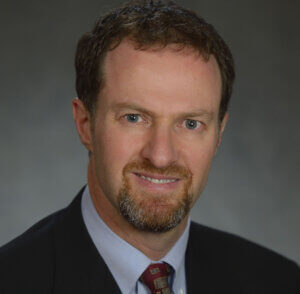
Steven Joffe, MD, MPH
Steven Joffe will give a keynote presentation on September 9.

The NIH Pragmatic Trials Collaboratory is launching a special Grand Rounds series to examine ethical and regulatory challenges in pragmatic clinical trials. Over the past decade, the program’s Ethics and Regulatory Core has worked with investigators to navigate ethical and regulatory complexities associated with research conducted within healthcare systems. With this new Grand Rounds series, the Core is bringing together bioethicists, investigators, and regulatory experts to share lessons learned, discuss empirical findings, and explore remaining uncertainties.

The webinar series, Ethical and Regulatory Dimensions of Pragmatic Clinical Trials, will kick off on Friday, September 9, at 1:00 pm ET with a keynote presentation by Dr. Steven Joffe, chair of the Department of Medical Ethics and Health Policy in the Perelman School of Medicine at the University of Pennsylvania.

The series will include an additional 5 moderated webinar discussions with panels of experts. The sessions will focus on a range of topics, including responding to signals of mental and behavioral health risk in pragmatic trials; the ethics of data sharing; ethical and regulatory considerations in the design and conduct of pragmatic trials; pragmatic research involving patients with dementia; and the use of waivers and alterations of consent.

Download the series flyer and see the full schedule below.

All session are free and open to the public; no registration is required. Recordings will be archived on the Grand Rounds website.

Grand Rounds July 29, 2022: Effect of Early Treatment With Single-Dose Pegylated Interferon Lambda Among Patients With COVID-19: Results From The TOGETHER Trial (Edward Mills, PhD, FRCP; Jeffrey S. Glenn, MD, PhD)

Speaker

Edward Mills, PhD, FRCP
Professor
Department of Health Research Methods, Evidence & Impact
McMaster University, Canada

Jeffrey S. Glenn, MD, PhD
Joseph D. Grant Professor and Professor of Microbiology and Immunology
Stanford University


Keywords

TOGETHER, COVID-19, Peginterferon Lambda


Key Points

  • TOGETHER is a randomized adaptive platform trial that was initiated in June 2020 to investigate the efficacy of repurposed treatments for COVID-19 disease among high-risk adult outpatients. TOGETHER has been through 14 interventions within the trial and has four active arms.
  • For the overall trial, anyone over the age of 18 with a known risk factor for disease progression is eligible; they have to present at an outpatient care setting with an acute clinical condition consistent with COVID-19 and have a positive rapid test in the clinic. The consent process is in-person, which was challenging in the beginning days of the trial.
  • The arm evaluating Peginterferon Lambda is a multicenter, investigator sponsored, randomized placebo-controlled Phase 3 study in Brazil with 12 sites and Canada (5 sites). It is a single injection of peginterferon lambda verses placebo, patients were randomized within 7 days of symptom onset and positive SARS-CoV-2 test. The trial has enrolled 1,900 high-risk non-hospitalized and 84% of patients were vaccinated to some extent, from July 2021-Feb 2022. The primary endpoint is either reduction in COVID-19-related hospitalizations or emergency hospital visits through day 28 and hospitalization or death.
  • The primary outcome had a relative risk reduction of 51% when given 7 days or less of symptoms before treatment; when the trial looked at early treated patients (less than 3 days of symptoms before treatment) the treatment effect when up to 57% risk reduction. 43% risk reduction for hospitalization (65% reduction when treated early). Hospitalization or death due to COVID-19 was 41% if treated within 7 days and 65% if treated within 3 days of symptoms. It was a big treatment effect observed in a predominantly vaccinated population.
  • When compared to other drug trials for COVID-19, there was a 61% reduction for the primary outcome and 54% reduction in hospitalization and death for unvaccinated populations. In the same population, if treated early there was a 65% reduction for the primary outcome and hospitalization or death due to COVID-19. The unvaccinated and early treatment population saw a 89% risk reduction, which is very similar to what was identified in the Paxlovid trial.

Discussion Themes

-Were any concerns raised on ethics of keeping a placebo arm in this population? For the countries we are working in this has not been an issue because of the drugs that were available during the time of the study.

-Immunosuppressed patients might be a subgroup that would particularly benefit from this type of treatment.

Learn more about TOGETHER.


Tags

#pctGR, @Collaboratory1

Grand Rounds July 22, 2022: ACTIV-6: 1-Year Later and Trial Results for Ivermectin-400 and Inhaled Fluticasone (Susanna Naggie, MD, MHS)

Speaker

Susanna Naggie, MD, MHS
Professor of Medicine
Vice Dean for Clinical Research
Duke University School of Medicine


Keywords

ACTIV, ACTIV-6, COVID-19, Ivermectin, Inhaled Fluticasone


Key Points

  • The key clinical questions of the ACTIV-6 study are: how to help someone feel better faster with newly diagnosed mild-moderate COVID-19 and how to prevent hospitalizations or death in someone with newly diagnosed mild-moderate COVID-19?
  • ACTIV-6 is testing medication doses approved by the FDA for other purposes, i.e., repurposed drugs. It is a decentralized, fully remote trial, and data are largely patient reported. Participants test positive for COVID-19 with a FDA-authorized test, register from home, are randomized remotely, receive study medication through the central pharmacy, and follow instruction until their clinical symptoms improve. All of the surveys are completed online. The measured outcomes for ACTIV-6 are days of benefit and time to recovery/hospitalization and death.
  • ACTIV-6 is actively recruiting across 93 sites with 5,034 randomized. Results have been shared for the Ivermectin-400 and Fluticasone arms. The study has closed the Fluvoxamine-50 and Ivermectin-600 arms.
  • There were no differences observed in the relief of mild-to-moderate COVID-19 symptoms between patients taking Ivermectin-400 and the placebo. There were no safety concerns or differences in hospitalization or death.
  • There is no evidence that Fluticasone Furoate decreased time spent unwell. There is no observed symptomatic or clinical benefit of this medication of this dose or duration. There is no improvement for time to recover or reduction in hospitalizations. There was some evidence of increased acute care needs (urgent care, emergency room visit) in the fluticasone furoate arm. No safety concerns were identified.

Discussion Themes

Before anyone was enrolled, which arm did you think would enroll the fastest? Given the history with other repurposed drugs, I was concerned people would not want to take Ivermectin. This was one of the reasons we gave people options about which drugs they were willing to take. It turned out that Ivermectin turned out to be a good recruitment tool.

-What were some early lessons learned in terms of how to reach people given the hybrid nature of the study? The sites had a very clear role, and the training was really important. There was a lot of outreach to sites and they embraced the remote trial. One thing that has been a struggle is the diversity in the population and the equity in access to trials. We did not see as much diversity in this decentralized trial.

-Were there concerns about having patients not associated with a site? For ACTIV-6, if we had not had a call center we would not have gotten the word out as much and participation would not have been as robust.

Learn more about ACTIV-6.

Tags

#pctGR, @Collaboratory1

Grand Rounds July 15, 2022: Overview of Accelerating COVID-19 Therapeutic Interventions and Vaccines (ACTIV) Public-Private Partnership and Lessons Learned (Stacey J. Adam, PhD)

Speaker

Stacey J. Adam, PhD
Associate Vice President, Research Partnerships
Foundation for the NIH


Keywords

ACTIV, COVID-19, FNIH


Key Points

  • The normal timeline for public-private partnerships is around 9 months of planning. ACTIV was stood up in about a month, launching on April 17, 2020, to develop a coordinated research response to speed COVID-19 treatment and vaccine options. There were four ACTIV fast-track focus areas: vaccines, preclinical, clinical trial capacity, and therapeutics – clinical.
  • In the therapeutics arm, the most promising therapeutic agents for COVID-19 were prioritized. Candidate agents were triaged based on concurrent clinical trials, completion of a multiple ascending dose study, and availability of preclinical data before being scored based on predefined criteria. From this review, 11 ACTIV master protocols were developed.
  • Having the ability to use the resources from the public and private sectors as much as possible, having sufficient funding and staffing, and having clear communication were all quintessential to getting things running quickly.
  • Since the protocols have launched, 20,000+ patients have enrolled at more than 620 sites across numerous networks, 11 protocols were developed, 10 launched, with 26 publications across 13 journals. The team reviewed 800 candidates over 2 years time. We selected 35 and completed testing of 27 of them. Six agents showed really good results and either changed clinical practice or showed efficacy and improved patient care. Five agents are still in testing.
  • Each protocol has had many lessons learned. Across all is the need for clear communication, resources, and partnerships.

Discussion Themes

How did the public-private partnership contributed to the success of ACTIV? Having the companies at the table, bringing the resources (man power, willingness to test, openness of conversation) was amazing and contributed to success of the program.

Foundation for NIH was involved from the beginning because we had successfully done the public-private partnerships for other initiatives, we had the stakeholder relationships to get everyone to the table, and our involvement allowed for rapid, targeted donations from private sector.


Read more in Annals of Internal Medicine and Critical Care Medicine.

View the Summary of NIH-Funded ACTIV/ACTIV-Associated Clinical Trials.

Tags

#pctGR, @Collaboratory1

Grand Rounds July 8, 2022: Results From the COVID-OUT Trial, A Phase-3 Trial of Outpatient Treatment for Covid-19 Using Metformin, Ivermectin, and Fluvoxamine (Carolyn Bramante, MD, MPH; Thomas Murray, PhD; Jared Huling, PhD)

Speakers

Carolyn Bramante, MD, MPH
Assistant Professor, General Internal Medicine and Pediatrics
Core Faculty, Center for Pediatric Obesity Medicine
Core Faculty, Program for Health Disparities Research
University of Minnesota Medical School

Thomas Murray, PhD
Assistant Professor of Biostatistics
Division of Biostatistics
University of Minnesota School of Public Health

Jared Huling, PhD
Assistant Professor of Biostatistics
Division of Biostatistics
University of Minnesota School of Public Health


Keywords

COVID-19, COVID-OUT


Key Points

  • The COVID-OUT Trial is a remotely delivered, Phase 3, de-centralized clinical trial at 6 participating institutions to see if Ivermectin, Metformin or Fluvoxamine would prevent severe COVID-19. The primary outcome was a 4-part composite: hypoxemia on a home oxygen monitor, ED visit, hospitalization or death due to COVID-19.
  • The dosing for the drugs during the trial was Ivermectin 390 (470mcg/kg/day x 3 days), Metformin titration to 1,500mg/day over 7 days, and Fluvoxamine 50mg.
  • Trial participants were adults ages 30-85, who tested positive for SARS-CoV-2 within 3 days, with fewer than 7 days of symptoms, no known prior infection with SARS-CoV-2, no severe kidney, liver, or heart failure. Patients with diabetes or prediabetes were not excluded (except for those on insulin or sulfonylurea); pregnant patients were not excluded for the Metformin arm; the trial restricted participants to people who were overweight or obese to enrich the population for having a high risk of outcomes and for anti-inflammatory hypotheses around Metformin.
  • Initially, the randomization of the trial was 1:1 Metformin or Placebo. When Ivermectin and Fluvoxamine were added enrollment was even across 6 arms (except for pregnant participants). When the DSMB recommended stopping Fluvoxamine, the trial reduced to 4 arms.
  • The primary outcome of the trial was negative. Some aspects were a success, particularly delivery of study medication nation-wide within 1 day of consent. None of the medications appeared to have any effects on symptoms. A pre-specified secondary analysis of the primary outcome indicates a substantial reduction in ED visits, hospitalizations, and death from COVID-19 with Metformin.

Discussion Themes

-How did the trial handle recruitment? It was a huge challenge. We started only looking within the participating health system and sites. We used Google Ads and partnerships with some testing clinics. We worked together between the sites when there were issues with bandwidth at one of the sites, the main site would call those participants. We also kept equal focus on follow-up.

Learn more about COVID-OUT.

Tags

#pctGR, @Collaboratory1