Grand Rounds July 22, 2022: ACTIV-6: 1-Year Later and Trial Results for Ivermectin-400 and Inhaled Fluticasone (Susanna Naggie, MD, MHS)

Speaker

Susanna Naggie, MD, MHS
Professor of Medicine
Vice Dean for Clinical Research
Duke University School of Medicine


Keywords

ACTIV, ACTIV-6, COVID-19, Ivermectin, Inhaled Fluticasone


Key Points

  • The key clinical questions of the ACTIV-6 study are: how to help someone feel better faster with newly diagnosed mild-moderate COVID-19 and how to prevent hospitalizations or death in someone with newly diagnosed mild-moderate COVID-19?
  • ACTIV-6 is testing medication doses approved by the FDA for other purposes, i.e., repurposed drugs. It is a decentralized, fully remote trial, and data are largely patient reported. Participants test positive for COVID-19 with a FDA-authorized test, register from home, are randomized remotely, receive study medication through the central pharmacy, and follow instruction until their clinical symptoms improve. All of the surveys are completed online. The measured outcomes for ACTIV-6 are days of benefit and time to recovery/hospitalization and death.
  • ACTIV-6 is actively recruiting across 93 sites with 5,034 randomized. Results have been shared for the Ivermectin-400 and Fluticasone arms. The study has closed the Fluvoxamine-50 and Ivermectin-600 arms.
  • There were no differences observed in the relief of mild-to-moderate COVID-19 symptoms between patients taking Ivermectin-400 and the placebo. There were no safety concerns or differences in hospitalization or death.
  • There is no evidence that Fluticasone Furoate decreased time spent unwell. There is no observed symptomatic or clinical benefit of this medication of this dose or duration. There is no improvement for time to recover or reduction in hospitalizations. There was some evidence of increased acute care needs (urgent care, emergency room visit) in the fluticasone furoate arm. No safety concerns were identified.

Discussion Themes

Before anyone was enrolled, which arm did you think would enroll the fastest? Given the history with other repurposed drugs, I was concerned people would not want to take Ivermectin. This was one of the reasons we gave people options about which drugs they were willing to take. It turned out that Ivermectin turned out to be a good recruitment tool.

-What were some early lessons learned in terms of how to reach people given the hybrid nature of the study? The sites had a very clear role, and the training was really important. There was a lot of outreach to sites and they embraced the remote trial. One thing that has been a struggle is the diversity in the population and the equity in access to trials. We did not see as much diversity in this decentralized trial.

-Were there concerns about having patients not associated with a site? For ACTIV-6, if we had not had a call center we would not have gotten the word out as much and participation would not have been as robust.

Learn more about ACTIV-6.

Tags

#pctGR, @Collaboratory1
July 20, 2022: ACTIV-6 Reaches 1 Year, Will Share Results in COVID-19 Grand Rounds

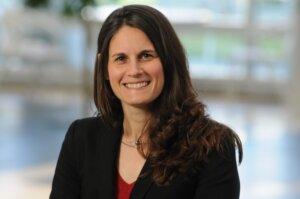
Headshot of Dr. Susanna NaggieIn this Friday’s COVID-19 Grand Rounds, Dr. Susanna Naggie of Duke University will present “ACTIV-6: One Year Later and Trial Results for Ivermectin-400 and Inhaled Fluticasone.”

ACTIV-6 is a nationwide, double-blind study evaluating the effectiveness of repurposed medications in reducing symptoms of mild to moderate COVID-19 in outpatients.

The Grand Rounds session will be held on Friday, July 22, at 1:00 pm eastern. Join the online meeting.

The NIH Pragmatic Trials Collaboratory Coordinating Center is using its popular Grand Rounds platform to share late-breaking research and promote resources in support of clinical researchers affected by the COVID-19 public health emergency. For previous COVID-19 Grand Rounds, and more news and resources related to the COVID-19 public health emergency, see the COVID-19 Resources page.

Grand Rounds July 22: ACTIV-6: One Year Later and Trial Results for Ivermectin-400 and Inhaled Fluticasone (Susanna Naggie, MD, MHS)

Speaker:

Susanna Naggie, MD, MHS
Professor of Medicine
Vice Dean for Clinical Research
Duke University School of Medicine
Infectious Diseases Research
Duke Clinical Research Institute


Topic: ACTIV-6: 1-year Later and Trial Results for Ivermectin-400 and Inhaled Fluticasone
Date: Friday, July 22, 2022, 1:00-2:00 p.m. ET


Meeting Info: To check whether you have the appropriate players installed for UCF (Universal Communications Format) rich media files, go to https://dukemed.webex.com/dukemed/systemdiagnosis.php.

To join the online meeting:
Go to https://dukemed.webex.com/dukemed/j.php?MTID=m4c6e3e4827442a92338a5649cee613e6

Click ‘Connect to Audio”
Choose ‘Computer Audio’ or ‘I will call in’.
If using the ‘call in option’, follow the information from the dialog box that appears.
Be certain to use the Access Code AND the Attendee ID.

Troubleshooting:
If the URL above does not work, go to dukemed.webex.com and enter:
Meeting Number: 2622 682 0537
Meeting Password: 12345

For Audio ONLY:
Call-in toll number (US/Canada): 1-650-479-3207
Access code: 2622 682 0537

NOTE: For Toll-free users, the call-back (call me) services are also available.

June 3, 2021: Town Hall Will Introduce ACTIV-6 Study to Potential Sites and Investigators

Leaders of the ACTIV-6 study, featured recently during NIH Collaboratory Grand Rounds, will hold a town hall Wednesday, June 9, to share information about the study with interested stakeholders, including sites and investigators that may want to participate. The leadership team will describe the rationale for ACTIV-6, share an overview of the platform and objectives, and provide information about how to join and contribute to the study.

Contact DCRI-ACTIV6@dm.duke.edu if you would to receive a calendar invitation the event. The town hall will be recorded for those who are unable to attend.

ACTIV-6, part of the NIH’s Accelerating COVID-19 Therapeutic Interventions and Vaccines (ACTIV) program, is a platform trial that will test whether several already approved medications can be repurposed for treating symptoms of mild to moderate COVID-19 in nonhospitalized patients.

View the April 30 Grand Rounds webinar.

April 30, 2021: ACTIV-6: COVID-19 Outpatient Randomized Trial to Evaluate Efficacy of Repurposed Medications (Susanna Naggie, MD, MHS; Elizabeth Shenkman, PhD)

Speakers

Susanna Naggie, MD, MHS
Associate Professor of Medicine
Duke Clinical Research Institute

Elizabeth Shenkman, PhD
Chair, Department of Health Outcomes and Biomedical Informatics
Co-Director, Clinical and Translational Science Institute (CTSI)
University of Florida

Topic

ACTIV-6: COVID-19 Outpatient Randomized Trial to Evaluate Efficacy of Repurposed Medications

Keywords

COVID-19; NIH ACTIV Initiative; Repurposed drugs; Vaccines; Therapeutic agents; Direct-to-participant trials; PCORnet

Key Points

  • Accelerating COVID-19 Therapeutic Interventions and Vaccines (ACTIV) is a public-private partnership to develop a coordinated research strategy for prioritizing and speeding development of the most promising treatments and vaccines. The ACTIV initiative is coordinated by the Foundation for the National Institutes of Health.

  • ACTIV-6 asks: Are there medications currently approved for other conditions that improve symptoms in nonhospitalized patients with mild-to-moderate COVID-19 symptoms? The study aims to find out how to help patients feel better faster and how to prevent hospitalizations or death in newly diagnosed patients with mild or moderate COVID-19.

  • All study visits are conducted remotely: Participants use an online system to complete study surveys and report adverse events or changes in clinical status. Participants are assigned randomly to receive either a placebo or one of the treatments, which will be sent to them by mail. If deemed necessary by a study investigator, in-person or remote study visits are possible.

Discussion Themes

Vaccine hesitancy is still an issue, especially in rural areas; there will continue to be cases of COVID-19.

To ensure diversity in enrollment, the ACTIV-6 study takes a multipronged approach, including making it easy to participate without in-person appointments; partnering with community groups for broad outreach and messaging; and monitoring enrollment numbers closely.

Sites provide participant education and recruitment. The process is straightforward and appeals to both clinicians and patients. Each study site has a primary care physician as a clinical champion.

Read more about ACTIV-6, the NIH’s ACTIV initiative, and the ACTIV master protocols including ACTIV-6.

Tags

#pctGR, @Collaboratory1

April 27, 2021: COVID-19 Grand Rounds Continues With the ACTIV-6 Direct-to-Participant Platform Trial

PhotoIn this week’s COVID-19 Grand Rounds session, Dr. Susanna Naggie of Duke University and Dr. Elizabeth Shenkman of the University of Florida will present “ACTIV-6: A Direct-to-Participant Platform Trial of Repurposed Drugs for COVID-19 in Non-hospitalized Patients.” The Grand Rounds session will be held on Friday, April 30, at 1:00 pm eastern. Join the online meeting.

The NIH Collaboratory Coordinating Center is using its popular Grand Rounds platform to share late-breaking research and promote resources in support of clinical researchers affected by the COVID-19 public health emergency.

For previous COVID-19 Grand Rounds, and more news and resources related to the COVID-19 public health emergency, see the COVID-19 Resources page.