


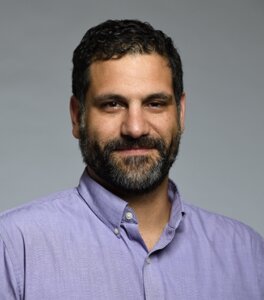
 On September 12, Joe Ali, a longtime member of the NIH Pragmatic Trials Collaboratory’s Ethics and Regulatory Core, will present “Advancing Justice and Equity in Pragmatic Clinical Trials.” The presentation is part of the Spotlight on Pain Management series of the VA HSR&D Cyberseminars.
Advance registration is required.
VA HSR&D Cyberseminars: Spotlight on Pain Management
“Advancing Justice and Equity in Pragmatic Clinical Trials”
September 12. 2023; 11:00 am-12:00 noon ET
Joe Ali, PhD
Johns Hopkins University
Advance registration required.
“Pragmatic clinical trials (PCTs) can help bring evidence‐based therapies to people living with pain and co‐occurring conditions, with an emphasis on developing insights that are relevant to patients, practitioners and others. However, in order to reach their potential within a diverse society, pain PCTs must thoughtfully consider how patient vulnerabilities and experiences of injustice and inequity might affect trial design and implementation. Drawing from the experiences and insights of the NIH‐DOD‐VA Pain Management Collaboratory, this seminar will situate the concepts of justice and equity within a pain PCT context, identifying challenges and offering strategies to potentially enhance the value of such trials for various key populations.”
Ali is an associate professor in the Johns Hopkins Bloomberg School of Public Health and the associate director for global programs at the Johns Hopkins Berman Institute of Bioethics. He is a member of the NIH Collaboratory’s Ethics and Regulatory Core.
 This Friday’s PCT Grand Rounds will feature the next installment of our special Grand Rounds series, Ethical & Regulatory Dimensions of Pragmatic Clinical Trials. Joe Ali, Tanya Matthews, and Leslie Crofford will present