In this Friday’s PCT Grand Rounds, Kanecia Zimmerman of Duke University will present “RECOVER in Action: Status of Clinical Trial Protocols.” The Grand Rounds session will be held on Friday, April 14, 2023, at 1:00 pm eastern.
Dr. Zimmerman is an associate professor of pediatrics in the Duke University School of Medicine. The Researching COVID to Enhance Recovery (RECOVER) initiative brings together patients, caregivers, clinicians, and community leaders to conduct large-scale national research studies with the goal of understanding and improving the treatment of long COVID,
Upinder Singh, MD
Professor and Division Chief
Division of Infectious Diseases and Geographic Medicine
Stanford University School of Medicine
Keywords
COVID-19, Long-COVID, EHR
Key Points
The definition of Long-COVID has not been generalized yet. Long-COVID can be defined as any symptoms that are present after more than 4 weeks or symtoms that are ongoing after more than three months or 12 weeks. Long-COVID is head to toe, any symptom can be included but did not have to be present when patient had COVID.
Up to 30 percent of individuals get Long-COVID, including after severe disease and hospitalization, mild infection, and asymptomatic infection. Some risk factors for Long-COVID include older adults, high BMI, female, more than 5 symptoms when infected. People who are vaccinated are at risk for Long-COVID. The odds of having symptoms are reduced 1 month after infection.
The goal of the Researching COVID to Enchance Recovery (RECOVER) study is to improve understanding of and develop strategies to treat and prevent post-acute manifestations of SARS-CoV-2 infection through a multi-pronged research framework. It is an ambi-directional, longitudinal meta-cohort study with nested case control studies. All participants will be followed prospectively under a single main protocol, and there is a flexible study design.
RECOVER includes adult, pediatric, pregnant populations and will analyze data from millions of electronic health records. The study is enrolling patients during acute and post-acute phases of infection at 15 sites, with sites in every state. There is also an autopsy phase of the study. Participants are followed over four years.
RECOVER will integrate real-world data through the electronic health record that will be pulled into the RECOVER Cohort Study Protocol and will use Mobile Health Data.
The Stanford University site has enrolled about 38 percent of its goal, and the majority are acutely infected individuals. Stanford is seeing more women enrolling than men, and about 50 percent are underrepresented in biomedical research. A Long-COVID clinic was established in May 2021.
There are many challenges including identifying negative controls and if there will continue to be people who have not had COVID after the various surges of infection. Healthcare systems are stretched and providers are fatigued. It’s a complex trial with an evolving protocol; however, there’s been high interest in the study. The study is aligned with clinical efforts and the Long-COVID clinic. RECOVER will have clinical trials beginning at the end of 2022
Discussion Themes
– Harvard is the DRC for the study and they are developing CDEs for Long-COVID.
– We may not get the perfect epidemiology of Long-COVID because even as we started enrolling, the epidemic has changed and people are getting 1 or 2 boosters.
– All therapeutics should be looking at the long-standing consequences as well as preventing hospitalization and death.


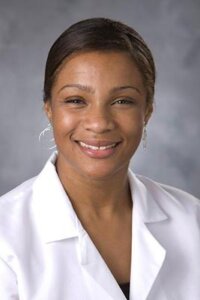 In this Friday’s PCT Grand Rounds, Kanecia Zimmerman of Duke University will present “RECOVER in Action: Status of Clinical Trial Protocols.” The Grand Rounds session will be held on Friday, April 14, 2023, at 1:00 pm eastern.