Grand Rounds March 27, 2026: Text Messaging and Video Stories to Support Hypertension Self-Management in Black Veterans: A Randomized Clinical Trial (Sarah L. Cutrona, MD, MPH)

Speaker

Sarah L. Cutrona, MD, MPH
Acting Director, Center for Health Optimization and Implementation Research (CHOIR)
VA Bedford Healthcare System
Professor, Division of Health Informatics and Implementation Science
Department of Population and Quantitative Health Sciences
UMass Chan Medical School

Keywords

Blood Pressure; Hypertension; Self-Management; Video; Texting; Black Americans; Veterans

Key Points

  • Black Americans experience disproportionate morbidity and mortality due to hypertension (HTN). Simultaneously, self-management is made more difficult by differential rates of diagnosis and treatment titration; decreased access to, trust in, and engagement with the healthcare system; and cost, access, and environmental barriers. This study sought to improve HTN control and self-management among about 600 Black Veterans by supplementing a preexisting video story intervention with longitudinal texting support.
  • Those in the intervention arm watched 5 video stories featuring other Black Veterans, chose their preferred storyteller, and received educational and interactive messages aligned with that storyteller. Those in the control arm received only interactive messages. The researchers hypothesized that peer stories would promote participants’ emotional engagement with the messages via a parasocial relationship with the storyteller, enhancing self-efficacy, influencing health behaviors and ultimately improving HTN control.
  • While participants in both arms saw marginal improvements in systolic and diastolic blood pressure (BP), there was no significant difference in the BP change between the arms. The intervention saw high treatment fidelity (92%) and sustained engagement, with over 55% of participants responding to texts through the end of the 6-month period. The researchers concluded that the interactive text messages, which were present in both arms, were an effective way to maintain engagement in a multi-month study and may serve as a useful strategy for future longitudinal interventions supporting Black Veterans.

Discussion Themes

The control group was intentionally kept active – i.e., received educational texts – to isolate the specific impact of storytelling rather than just the impact of receiving text messages.

The intervention was shaped by direct feedback from veteran consultants, who provided guidance on tone, word choice, and structure to ensure the messages felt authentic.

Attendees noted that negative studies are vital for informing future research and that the intervention provided valuable moments of outreach to a population facing socioeconomic vulnerabilities and isolation.
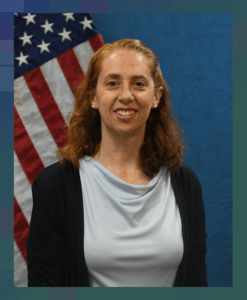
March 25, 2026: Texting and Video to Support Hypertension Self-Management, in This Week’s Rethinking Clinical Trials Grand Rounds

In this Friday’s Rethinking Clinical Trials Grand Rounds, Sarah L. Cutrona of UMass Chan Medical School will present “Text Messaging and Video Stories to Support Hypertension Self-Management in Black Veterans: A Randomized Clinical Trial.”
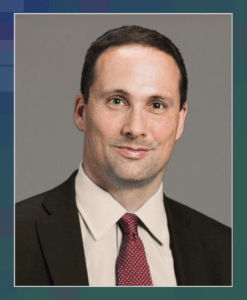
The Grand Rounds session will be held on Friday, March 27, 2026, at 1:00 pm eastern.

Cutrona is the acting director of the Center for Health Optimization and Implementation Research within the VA Bedford Healthcare System and a professor at UMass Chan Medical School.

Join the online meeting

Add to your calendar:
Google
iCal
Outlook

Or join the Grand Rounds mailing list to receive calendar invitations.

Grand Rounds March 13, 2026: Behavioral Economics and Medication Adherence for Hypertension: A Randomized Clinical Trial (John A. Dodson, MD, MPH)

Speaker

John A. Dodson, MD, MPH
Associate Professor of Medicine and Population Health
Director, Geriatric Cardiology Program
Director, Cardiovascular Digital Health Laboratory
NYU Langone Health
NYU Grossman School of Medicine

Keywords

Behavioral Economics; Cardiovascular Disease; Hypertension; Medication Adherence

Key Points

  • Roughly half of patients with cardiovascular disease (CVD) are nonadherent with their medications. This occurs across conditions and for multiple reasons, including cost, side effects, lack of symptoms, and inconvenience. BETTER-BP, a phase 2, multisite trial, sought to test the effect of a lottery on antihypertensive adherence. The lottery intervention was based in behavioral economics, a field that represents a novel and potentially scalable approach to improving medication adherence.
  • In a safety-net population, the lottery doubled adequate antihypertensive medication adherence from baseline to 6 months. This did not translate to a significant reduction in office-measured systolic blood pressure (BP) and increased adherence was not sustained after the lottery was removed. Other strategies will likely be required for long-term behavior change.
  • BETTER-BP had pragmatic components and non-pragmatic components. It was pragmatic in that it utilized minimal exclusion criteria; took place in a real-world setting; used existing medications; paired study visits with regular ambulatory visits; and used the electronic health record to ascertain some measures. It was not pragmatic in that it utilized traditional informed consent; the intervention and monitoring strategies were not usual practice; and the primary outcome was measured via an in-person BP assessment.

Discussion Themes

Dr. Dodson noted that many trials of behavioral economics in CVD medication adherence have not had durable effects on either adherence or clinical outcomes. Even with trials that are positive, no intervention has been a “home run.”

The lottery payouts (ranging from $5 to $50) were based on an estimated daily value intended to influence behavior without being coercive or exceeding study budgets.

Recruitment for the trial was a challenge; the team made approximately 9,000 phone calls to reach their final sample of 400 participants.

Behavioral incentives might be better suited for time-limited interventions, such as smoking cessation, rather than the lifelong management required for conditions like hypertension.

March 11, 2026: Behavioral Economics and Medication Adherence, in This Week’s Rethinking Clinical Trials Grand Rounds

In this Friday’s Rethinking Clinical Trials Grand Rounds, John A. Dodson of NYU Langone Health will present “Behavioral Economics and Medication Adherence for Hypertension: A Randomized Clinical Trial.”
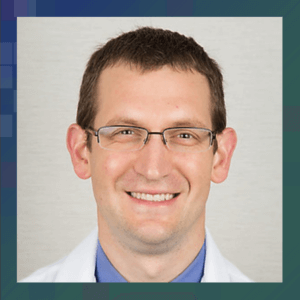
The Grand Rounds session will be held on Friday, March 13, 2026, at 1:00 pm eastern.

Dodson serves as the director of both the Geriatric Cardiology Program and the Cardiovascular Digital Health Laboratory at NYU Langone Health. He is an associate professor of medicine and population health at the NYU Grossman School of Medicine.

Join the online meeting

Add to your calendar:
Google
iCal
Outlook

Or join the Grand Rounds mailing list to receive calendar invitations.

Grand Rounds January 23, 2026: DASH-Patterned Groceries Reduce Blood Pressure: Results from the GoFresh Randomized Clinical Trial (Stephen P. Juraschek, MD, PhD, FAHA, AHSCP-CHS)

Speaker

Stephen P. Juraschek, MD, PhD, FAHA, AHSCP-CHS
Associate Professor of Medicine
HCA Hypertension Center Director & Beth Israel Deaconess Medical Center

Keywords

Hypertension; Groceries; Diet; Grocery Access; DASH

Key Points

  • Hypertension affects 55% of Black adults, more than any other demographic in the US. Diet is the most important mediator of excess hypertension risk among Black adults, and the DASH diet – which emphasizes low-sodium, heart-healthy items like fruits, vegetables, whole grains, and lean proteins – has been shown to be especially efficacious (albeit in tightly controlled settings).
  • The study team sought to test whether 3 months of dietician-assisted, home-delivered, DASH-patterned grocery delivery to Black residents of communities with few grocery stores would improve their blood pressure. The comparator group received 3 $500 stipends, one every 4 weeks, for self-directed grocery shopping.
  • The research team found that the intervention reduced urine sodium, systolic blood pressure, diastolic blood pressure, and LDL-cholesterol. Longer-term maintenance of these benefits will likely require sustained access to healthy groceries and nutrition counseling.

Discussion Themes

The 3.4 mmHg reduction in systolic blood pressure is more modest than the 7–10 mmHg typically expected from first-line antihypertensive drugs. Dr. Juraschek emphasized that GoFresh was a prevention cohort for adults not yet on medication.

The health benefits largely decayed after the active intervention ended. While providing food works, structural barriers to accessing healthy food remain a primary challenge. Ongoing qualitative interviews are exploring the specific barriers and facilitators that affected whether participants could maintain the DASH diet after the study ended.

January 21, 2026: DASH Groceries to Stop Hypertension, in This Week’s Rethinking Clinical Trials Grand Rounds

In this Friday’s Rethinking Clinical Trials Grand Rounds, Stephen P. Juraschek of the Beth Israel Deaconess Medical Center will present “DASH Groceries to Stop Hypertension: Results From the GoFresh Trial.

The Grand Rounds session will be held on Friday, January 23, 2026, at 1:00 pm eastern.

Stephen Juraschek is a physician investigator at Beth Israel Deaconess Medical Center and an associate professor at Harvard Medical School.

Join the online meeting.

Grand Rounds November 14, 2025: IMPACT-BP: A Community-Based Intervention for Sustainable Blood Pressure Control in Rural KwaZulu-Natal, South Africa (Mark Siedner, MD, MPH)

Speaker

Mark Siedner, MD, MPH
Professor of Medicine, Harvard Medical School
Faculty, Africa Health Research Institute

Keywords

Hypertension; Blood Pressure; Community-Based; Implementation Science; Global Health

Key Points

  • Hypertension (HTN) is the leading preventable cause of death globally. Dr. Siedner’s research typically revolves around HIV, but he turned his attention to HTN after publishing a study on the convergence of infectious and non-communicable disease epidemics in rural South Africa. Unlike HIV, he noted, HTN control remains poor.
  • The overarching goals of the IMPACT-BP study were to determine causes for poor HTN control in rural South Africa; co-develop an intervention with partners and end-users to address those causes; and implement and evaluate a novel model of care to improve blood pressure (BP) and increase disease control rates.
  • They began by designing and determining the acceptability of and conducting a readiness assessment for a community-based hypertension control program. The decision to pursue a community-based care model was informed by decades of successful HIV care programs and innovative HTN care programs.
  • The program had 3 main elements: Patients monitored their BP at home; community health workers (CHWs) visited patients to collect data, address challenges, and deliver medicines; and nurses managed care remotely with mobile health tools and decision support. Program goals included enhancing patient efficacy and self-empowerment; decongesting clinics and decreasing wait times; and task-shifting away from overburdened nurses.
  • Once the program had been designed and assessed, the study team conducted a randomized trial to determine its effectiveness. The primary outcome was the change in systolic BP from enrollment to 6 months.
  • Participants were randomized to 3 arms: Standard of care; “CHW,” which included self-monitoring of BP, home visits and medicine delivery by CHWs, and remote management of BP by nurses; and “eCHW+,” which differed from the “CHW” arm in that BP readings were automatically sent to nurses and the CHWs were less involved.
  • Though the “eCHW+” arm was slightly more successful, the study team observed 8 – 10mm HG reductions in systolic BP and roughly 30% improvements in BP control in both intervention arms.
  • This was a multidimensional intervention that sought to address multiple barriers to care. The team faced many real-world challenges, including a community health worker labor dispute, persistent nationwide power outages, destructive weather, and a carjacking spree.
  • Next, the study team will estimate the fidelity, sustainability, acceptability, and cost-effectiveness of the program. Future directions may include an expansion to multimorbidity care; expansion of the model to urban settings; and transportability to the U.S.

Discussion Themes

When it comes to translating these lessons and insights for care coordination in a U.S. setting, a focus on convenience for healthcare workers and for patients will continue to be crucial.

Though eCHW+ arm was successful, participant feedback indicated that the human element was central to intervention acceptability. Participants felt they were getting a tremendous amount of support from their community health workers, and some expressed anger at the possibility of the intervention ending.

Dr. Siedner noted that he sees the success of the trial more as proof of principle that there are fundamental steps we can take to improve chronic disease care than the unveiling of a one-size-fits-all model.

With a trusted healthcare system and provider providing the right kind of health education, this study demonstrates that you can get people to engage in treatment of an asymptomatic disease.

Grand Rounds June 20, 2025: The BedMed Trials: Does the Timing of Blood Pressure Medication Matter? (Scott Garrison, MD, PhD, CCFP)

Speaker

Scott Garrison MD, PhD, CCFP
Professor, University of Alberta, Department of Family Medicine
Director, Pragmatic Trials Collaborative

Keywords

Hypertension; Blood Pressure; Blood Pressure Medication; Medication Timing

Key Points

  • In 2010, the Monitorización Ambulatoria para Predicción de Eventos Cardiovasculares (MAPEC) trial found that hypertensive patients who took once-daily blood pressure (BP) medication at night, as opposed to in the morning, had a 61% reduction in major adverse cardiovascular events (MACE).
  • These results came with a credible rationale: BP is higher during the day than overnight, and overnight BP is a better predictor of cardiovascular events than daytime BP. Theoretically, patients taking BP medication at bedtime could preferentially lower overnight BP. But there were also good reasons to be skeptical of the results, and clinical guidelines remained unchanged.
  • To further investigate whether the timing of BP medication had an effect on MACE, Dr. Garrison and his team conducted 2 randomized controlled trials: BedMed and BedMed Frail. The former was conducted in a hypertensive primary care population; the latter in a hypertensive continuing care population. They conducted them separately, given the differing risks and benefits for the populations and the likely underrepresentation of frail or complex older patients in BedMed.
  • In the early stages, Dr. Garrison came across several unexpected challenges. There were restrictions around data access; regulations around billing for trial-related procedures in British Columbia; and the time it took to identify a data partner.
  • In both trials, the intervention group took a once-daily BP medication when getting ready for bed. In BedMed, the control took a once-daily BP medication upon waking up in the morning; in BedMed Frail, the control had no change in their existing routine (which typically meant taking their BP medication in the morning). Given the unique needs of the trial population, BedMed Frail utilized opt-out consenting.
  • The primary outcome for both trials was all-cause death or hospitalization/emergency department visit for stroke, acute coronary syndrome, or heart failure. In BedMed, they used an intent-to-treat analysis, with patients participating (via active or passive follow-up) in the study for a median of 4.6 years. In BedMed Frail, they used a modified intent-to-treat analysis, with patients participating for a median of 1.1 years due to high mortality in the study population.
  • The research team found that no additional cardiovascular benefit is conveyed from taking BP medication at bedtime. Conversely, their results concluded that these medications can be safely taken at bedtime, so patients should incorporate them into their routine whenever they are least likely to forget it.

Discussion Themes

Dr. Garrison noted that he was more confident in the negative result for the BedMed trial than for BedMed Frail, given that the adjusted hazard ratio of 0.88 and the unadjusted ratio of 0.93 in the latter. A 12% reduction in the outcome (which was largely driven by death) may still be meaningful to patients.

Designing a trial that was workflow-friendly for physicians was a top priority for the research team and was critical to obtaining buy-in for and executing this trial.

A major accomplishment of BedMed and BedMed Frail was developing a network of volunteer physicians and a data partner who would collaborate with the Pragmatic Trials Collaborative on future trials.

Grand Rounds December 13, 2024: Home Blood Pressure Telemonitoring and Nurse Case Management in Black and Hispanic Patients With Stroke: A Randomized Clinical Trial (Gbenga Ogedegbe, MD, MPH, FACP)

Speaker

Gbenga Ogedegbe, MD, MPH, FACP
Dr. Adolph & Margaret Berger Professor of Population Health
NYU Grossman School of Medicine
Director, Institute for Excellence in Health Equity (IEHE)
NYU Langone Health

Keywords

Hypertension; Racial Disparities; Case Management; Telemonitoring

Key Points

  • There are significant racial disparities when it comes to stroke outcomes in the U.S., with Black and Hispanic populations experiencing poorer outcomes than Caucasian populations. A major predictor for these disparities is hypertension (HTN); controlling HTN is key to secondary stroke prevention.
  • Home Blood Pressure Telemonitoring (HBPTM) and Nurse Case Management (NCM) have proven efficacy in addressing multilevel barriers to HTN control. However, their effectiveness remains untested in stroke patients, and their implementation is sub-optimal in Black and Hispanic patients.
  • The research team looked at the comparative effectiveness of HBPTM alone versus HBPTM plus telephone-based NCM when administered to Black and Hispanic stroke survivors with uncontrolled hypertension. They measured within-patient change in systolic blood pressure (SBP) from baseline to 12 months and the rate of recurrent stroke at 24 months.
  • This was a multisite, practice-based, comparative effectiveness randomized clinical trial conducted at six public hospitals and three academic medical centers in New York City. About 225 patients were randomized to each of the two arms.
  • The study population was defined by low-income, minoritized communities with significant comorbidity. This is a departure from much of the existing literature, Dr. Ogedegbe noted, in which patient populations tend to be more insured, more highly educated, and have higher employment rates.
  • The research team found that both groups experienced significant SBP reduction at both the six-month and 12-month mark. The telehealth intervention that combined HBPTM with NCM led to greater SBP reduction than HBPTM alone. There was no significant difference in the rate of recurrent stroke between the two groups across a 24-month period.
  • These findings provide strong empirical evidence for widespread implementation in low-income stroke survivors with multiple comorbidities. Policymakers can use this evidence to implement these strategies in minority patients with stroke and uncontrolled hypertension.
  • Implementation challenges will include coverage of HBPM, which varies among private payers and Medicaid programs; clinical support services for use; access to the internet, to transmit data for virtual care; and integration of data into electronic medical records.

Discussion Themes

To effectively address inequities in hypertension, researchers must partner with policymakers, payers, and community-based organizations ahead of time, with a focus on team-based care.

Sustainment can be an Achilles Heel for embedded trials, as programs that have been shown to be successful aren’t always covered by insurance. Chronic disease management with team-based care is a good step that practices can invest in in the interim.

The fidelity to the NCM intervention, measured by the participation in 20 NCM calls and the compliance with HBPTM, was around 68% – a decent figure given the challenges of conducting a trial in a real-world setting, Dr. Ogedegbe noted.

Front-line doctors were instrumental in helping the research teams onboard the sites and think through recruitment.

Grand Rounds April 1: ICD-Pieces: Improving Care for CKD, Diabetes and Hypertension in Health Systems (Miguel A. Vazquez, MD; George (Holt) Oliver, MD, PhD)

Speakers:

Miguel A. Vazquez, MD
Professor of Medicine
University of Texas Southwestern Medical Center
Dallas, TX

George (Holt) Oliver, MD, PhD
Vice President Clinical Informatics
Parkland Center for Clinical Innovation
Dallas, TX


Topic: ICD-Pieces: Improving Care for CKD, Diabetes and Hypertension in Health Systems

Date: Friday, April 1, 2022, 1:00-2:00 p.m. ET

Meeting Info: To check whether you have the appropriate players installed for UCF (Universal Communications Format) rich media files, go to https://dukemed.webex.com/dukemed/systemdiagnosis.php.

To join the online meeting:
Go to https://dukemed.webex.com/dukemed/j.php?MTID=m4c6e3e4827442a92338a5649cee613e6

Click ‘Connect to Audio”
Choose ‘Computer Audio’ or ‘I will call in’.
If using the ‘call in option’, follow the information from the dialog box that appears.
Be certain to use the Access Code AND the Attendee ID.

Troubleshooting:
If the URL above does not work, go to dukemed.webex.com and enter:
Meeting Number: 2622 682 0537
Meeting Password: 12345

For Audio ONLY:
Call-in toll number (US/Canada): 1-650-479-3207
Access code: 2622 682 0537

NOTE: For Toll-free users, the call-back (call me) services are also available.