


A video decision aid for older patients with advanced cancer, coupled with communication skills training for clinicians, led to higher rates of documented advance care planning in oncology clinics, according to the ACP PEACE study.
The results of the study were published in the May issue of JAMA Network Open.
Many older adults with advanced cancer do not discuss treatment preferences or goals of care with their clinicians. Lack of communication about patients’ preferences can lead to patients receiving care that does not match their values.
ACP PEACE, an NIH Collaboratory Trial, was a stepped-wedge, cluster randomized trial testing the delivery of a video decision aid to patients together with goals-of-care communication skills training to oncology clinicians in 3 healthcare systems. The study included 13,800 patients at 29 clinics. Each clinic was randomly assigned to either the intervention or usual care at the beginning of the study. Due to the stepped-wedge design of the trial, all clinics were exposed to the intervention by the end of the study.

The intervention included an evidence-based, patient-facing video decision aid available in 25 languages. It also included a communication training program to improve clinicians’ skills in delivering serious news, responding to emotion, and eliciting patients’ goals. The primary outcome was documentation of advance care planning in the electronic health record, which could include documentation of a goals-of-care conversation, palliative care, hospice, or limitation of life-sustaining treatments.
The proportion of patients with documentation of advance care planning was greater with the ACP PEACE intervention than with usual care. The difference was attributable to a greater proportion of patients in the intervention phase having a goals-of-care conversation. There were no significant differences between the intervention and usual care for the documentation of palliative care, hospice, or limitation of life-sustaining treatments.
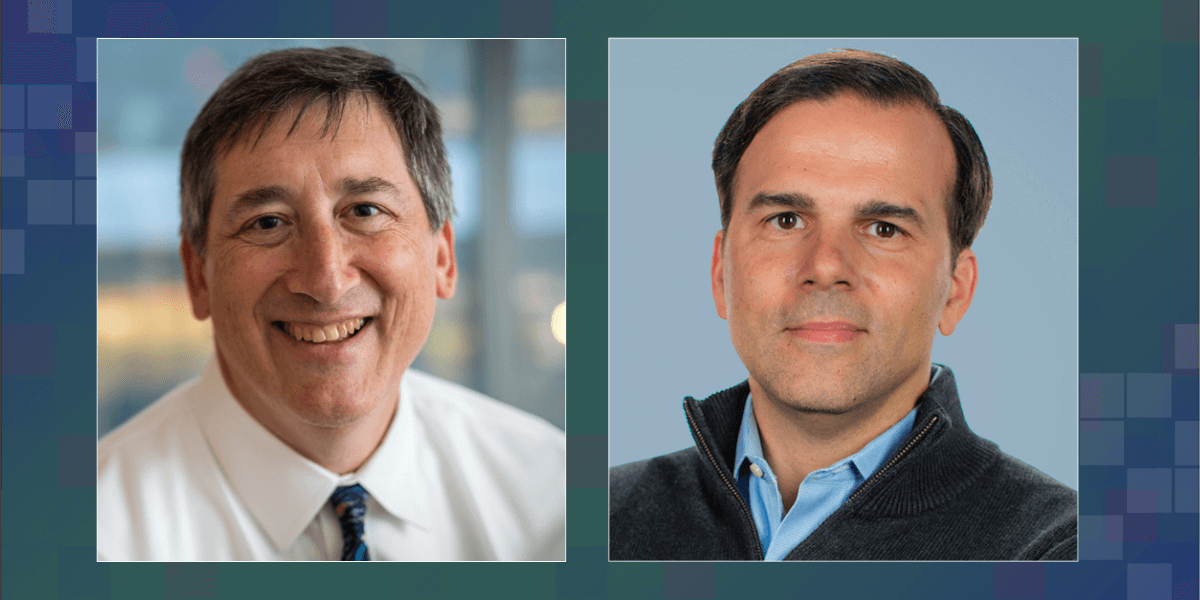
“By focusing concurrently on both clinicians and patients—giving clinicians the skills to have these difficult conversations and preparing patients to engage with them—we were able to increase the number of documented goals-of-care conversations,” said James Tulsky, the Poorvu Jaffe Chair in Supportive Oncology at the Dana-Farber Cancer Institute and a co–principal investigator for ACP PEACE.
“If we are going to achieve shared decision-making, we need to bring everyone onto the same page,” Tulsky said.
Angelo Volandes, the Anna Gundlach Huber Professor in Medicine at the Geisel School of Medicine at Dartmouth and a co–principal investigator for ACP PEACE, highlighted the logistical challenge of conducting a large pragmatic clinical trial across 3 major healthcare systems during the COVID-19 pandemic.
“What made it work was a shared commitment—from frontline clinicians to healthcare system leaders—to ensure that older adults with advanced cancer had the opportunity to reflect on their values and have those conversations documented,” Volandes said.
“This trial wasn’t just about changing documentation rates, it was about changing the culture of communication, at scale,” he added.
ACP PEACE is supported within the NIH Pragmatic Trials Collaboratory by a cooperative agreement from the National Institute on Aging.